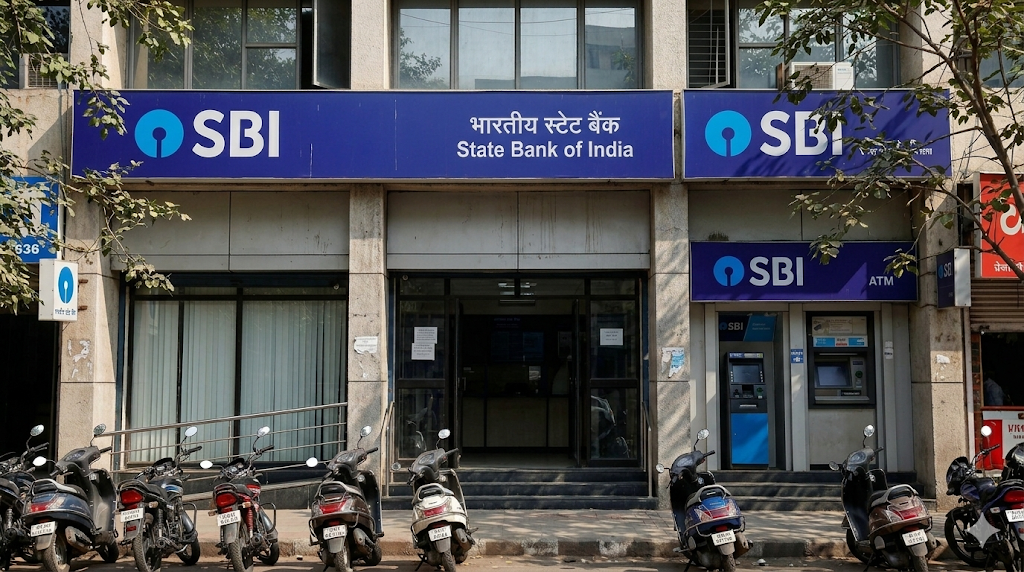
Overview of the Block Deal
In a significant transaction recently, BNP Paribas has successfully acquired a total of 5.28 lakh shares of the State Bank of India (SBI) in a meticulously executed block deal valued at ₹64 crore. This transaction not only underscores BNP Paribas’s continued investment interest in the Indian banking sector but also highlights the strategic partnerships that are generally formed in such notable financial dealings.
The involvement of Société Générale as the seller of these shares indicates a well-coordinated effort among financial institutions to optimize their holdings, as this transaction serves both parties’ objectives. By participating in this block deal, BNP Paribas has been able to enhance its stake in one of India’s most prominent banks, which is increasingly recognized for its resilience and growth potential within the financial landscape.
The shares were acquired at a price that was determined to be competitive compared to SBI’s previous trading closings. This factor is crucial for investors as it suggests a well-timed entry into SBI’s stock, aligning with market trends and expectations of future performance. The specifics of the share price at which this deal was executed are essential for analysts observing SBI’s market movements and for those assessing the viability of similar transactions in the future.
Furthermore, this transaction is illustrative of the evolving dynamics within the global banking sector, where foreign investments are becoming increasingly prevalent in emerging markets like India. Financial institutions like BNP Paribas, through such strategic investments, are not only expanding their portfolios but are also playing a significant role in reinforcing the financial infrastructure of the Indian economy.
Performance of SBI Shares
The performance of State Bank of India (SBI) shares in the financial market reflects an impressive growth trajectory that has captured the attention of investors and analysts alike. Over the past year, SBI has delivered remarkable returns of 70%, significantly outpacing the broader market indices such as Nifty, which recorded a 12% return, and BSE Sensex, achieving 9%. This impressive performance underscores SBI’s resilience and attractiveness as an investment option in the banking sector.
One of the key factors contributing to SBI’s strong performance is its ability to maintain and increase its dividends over the years. The consistent payout of dividends not only demonstrates the bank’s stable earnings but also instills confidence among investors regarding its financial health and operational efficiency. Such dividends are often a sign of robust management and a well-maintained balance sheet, which are critical for sustainable growth.
In evaluating SBI’s stock performance, technical indicators such as the 50-day and 200-day simple moving averages (SMA) provide valuable insights into the current trading patterns. As of the latest trading session, SBI shares have been positioned above both the 50-day and 200-day SMAs, indicating a bullish trend and strong investor confidence. This positioning suggests that the stock is trading well, offering credibility to the impressive returns it has generated recently. Investors often rely on these technical indicators to make informed decisions, and SBI’s performance metrics give a positive outlook for potential stakeholders.
In conclusion, the substantial returns provided to investors by SBI, coupled with its strong technical indicators, exemplify the bank’s robustness in the competitive landscape of banking and finance, making it a noteworthy consideration for current and prospective investors.
Strategic Insights into BNP Paribas’s Investment
The acquisition of 5.28 lakh shares of the State Bank of India (SBI) by BNP Paribas, valued at ₹64 crore, reflects a calculated strategic initiative by the French financial institution aimed at bolstering its investment portfolio. In recent years, the Indian banking sector has exhibited robust growth, and SBI, as a pivotal player, has positioned itself as a market leader. This acquisition signals BNP Paribas’s confidence in SBI’s stability and growth potential amid favorable market conditions.
SBI has demonstrated resilience against economic fluctuations, driven by a combination of government support, a diverse range of financial products, and an expanding digital banking platform. The ongoing modernization of SBI’s infrastructure and its strategic focus on improving customer service and operational efficiency further enhance its attractiveness to investors like BNP Paribas. By participating in this strategic move, BNP Paribas is not only acquiring a stake in a reputable bank but is also positioning itself to capitalize on future growth opportunities within the Indian market.
Furthermore, the move aligns with prevailing global banking trends where large-scale acquisitions and strategic investments are often considered indicators of confidence in regional markets. Financial institutions are actively seeking to diversify their portfolios, and investments in large, established banks such as SBI can provide a stable return in a global landscape characterized by volatility and uncertainty.
Additionally, the synergy between BNP Paribas’s investment strategy and SBI’s market positioning illustrates a shared vision towards sustainable growth and market expansion. Through this acquisition, BNP Paribas strengthens its foothold in the Asia-Pacific region, enabling further engagement and collaboration in various financial services. This strategic alignment not only enhances BNP Paribas’s market reach but also fortifies its resilience against potential risks associated with other sectors.
SBI’s Ascendancy in the Corporate Landscape
The State Bank of India (SBI) has made significant strides in the corporate landscape, recently achieving the remarkable status of India’s fourth-largest company by market capitalization, with a valuation exceeding ₹11 lakh crore. This notable accomplishment is indicative of SBI’s robust growth trajectory, which reflects not only its financial health but also its strategic adaptability in an evolving market. Surpassing established giants such as Tata Consultancy Services (TCS) marks a pivotal moment for SBI, underscoring its position as a formidable player in India’s financial sector.
SBI’s ascendance is underpinned by its comprehensive banking services, technological innovations, and an expanding customer base. The bank has successfully integrated digital banking solutions, which have enhanced efficiency and customer experience, further solidifying its competitive edge. Additionally, SBI has pursued various strategic initiatives aimed at consolidating its market influence, including partnerships and collaborative ventures with fintech companies to address the growing demand for advanced financial services.
The implications of SBI’s growth extend beyond its own operations; it signifies a strengthening of the banking sector, contributing to overall economic stability and growth. As SBI continues to evolve, it plays a crucial role in supporting various sectors of the economy, including agriculture, small and medium enterprises (SMEs), and large corporations. Furthermore, its increased market participation is expected to enhance competition within the banking industry, fostering an environment conducive to innovation and improved services for consumers.
In a competitive landscape defined by rapid technological advancement and changing consumer preferences, SBI’s ability to navigate these challenges while maintaining significant growth exemplifies its strategic foresight and leadership within the corporate framework. As the banking giant forays into new opportunities and expands its market presence, it is poised to continue shaping the financial landscape in India for years to come.