Vedanta, 8 others scale 52-week highs as stocks jump up to 25% in a month

Vedanta read full news on THE ECONOMIC TIMES

Vedanta among 9 stocks hit 52-week highs; gains up to 25% in a month

Indian equity markets have been witnessing a steady improvement in investor sentiment, and the momentum was clearly visible as nine stocks, including Vedanta Ltd, touched their respective 52-week highs during recent trading sessions. The rally comes after a strong month for these counters, with several of them delivering gains of up to 25%, reflecting renewed confidence in select sectors and companies.

Vedanta’s performance stood out among the pack, as the metal and mining major continued to benefit from firm commodity prices, improving balance sheet metrics, and expectations of sustained cash flows. The stock’s climb to a 52-week high underscores growing optimism around the company’s operational outlook and its efforts to streamline debt and improve shareholder returns.

Strong month for select stocks

The broader market has shown resilience despite intermittent global volatility, and this strength has filtered down to stock-specific rallies. The nine stocks that hit fresh 52-week highs over the past month belong to diverse sectors such as metals, power, infrastructure, financial services, and manufacturing. What connects them is a combination of improving fundamentals, sectoral tailwinds, and increased investor participation.

Market participants note that gains of up to 25% in just one month are significant, especially in a market that has seen phases of consolidation. Such sharp upward moves often indicate strong buying interest from both institutional and retail investors, driven by confidence in earnings visibility and medium-term growth prospects.

Vedanta’s rally: What’s driving it?

Vedanta’s rise has been supported by multiple factors. Firm global commodity prices have helped improve realizations across its key segments, while cost optimization measures have supported margins. Additionally, the company’s focus on deleveraging and simplifying its corporate structure has been viewed positively by the market.

Analysts tracking the stock point out that Vedanta’s diversified portfolio—spanning aluminium, zinc, oil and gas, and iron ore—provides a natural hedge against volatility in any single commodity. This diversification, combined with strong cash generation, has made the stock attractive to investors looking for value opportunities within the metal space.

Broader market sentiment remains supportive

The recent surge in stocks hitting 52-week highs also reflects a broader improvement in market sentiment. Domestic macro indicators have remained stable, corporate earnings have largely met expectations, and liquidity conditions continue to support equities. As a result, investors have been willing to take exposure to fundamentally strong companies, even after sharp short-term rallies.

Technical analysts often view a move to a 52-week high as a sign of strength, especially when it is accompanied by healthy trading volumes. Such breakouts can attract momentum-driven investors, further fueling the rally in the near term.

Other stocks in focus

While Vedanta grabbed attention, the other eight stocks that reached 52-week highs also posted impressive monthly gains. These companies have benefited from sector-specific triggers such as improved order flows, policy support, rising demand, or turnaround stories gaining credibility.

In the power and infrastructure space, select stocks rallied on expectations of sustained capital expenditure and improving financial health of companies. In the financial sector, some stocks touched new highs amid better asset quality trends and stable credit growth. Manufacturing and industrial names, meanwhile, gained on optimism around domestic demand and export opportunities.

Caution amid optimism

Despite the upbeat momentum, market experts advise investors to remain selective. Stocks that rise sharply in a short period can also see bouts of profit-taking, especially if broader market conditions turn volatile. Valuations, earnings visibility, and balance sheet strength should remain key considerations for investors looking to enter or add to positions at higher levels.

For Vedanta and other stocks at 52-week highs, upcoming quarterly results and management commentary will be closely watched. Any indication of sustained earnings growth and disciplined capital allocation could help these stocks consolidate their gains or move higher over time.

What it means for investors

The fact that multiple stocks are hitting 52-week highs simultaneously is often seen as a positive sign for the market. It suggests that opportunities exist beyond benchmark indices and that stock-specific fundamentals are being rewarded. For long-term investors, such phases can offer cues on sectors and companies that are gaining market confidence.

However, experts recommend a balanced approach—combining momentum with fundamentals. While chasing short-term rallies may carry risks, identifying companies with strong business models and reasonable valuations can help investors benefit from ongoing market strength.

Outlook

As markets continue to navigate global cues and domestic developments, stocks like Vedanta that have demonstrated resilience and strong performance may remain on investors’ radar. Whether the rally extends further will depend on a mix of macro factors, sectoral trends, and company-specific execution.

For now, the rise of Vedanta and eight other stocks to 52-week highs highlights a phase of renewed optimism in the equity market—one where quality, performance, and confidence are coming together to drive meaningful gains.

Union Bank of India stock rallies 8% as Q3 earnings signal lower bad loans and stable profitability

Union Bank of India read full news on THE ECONOMIC TIMES

Union Bank of India Shares Jump 8% After Strong Q3 Results Boost Investor Confidence

Union Bank of India shares surged nearly 8% in trade after the public sector lender announced its Q3 financial results, which showed a noticeable improvement in asset quality and stable profit performance. The upbeat numbers reassured investors that the bank’s recovery story remains on track, triggering strong buying interest in the stock.

The rally positioned Union Bank of India among the top gainers in the PSU banking space, as market participants responded positively to signs of easing stress on the bank’s balance sheet.

Q3 Results Highlight Improvement in Bad Loan Metrics

A major highlight of Union Bank of India’s third-quarter performance was the reduction in bad loans, a key concern that has historically weighed on public sector banks. The bank reported lower gross and net non-performing assets (NPAs), reflecting improved recovery efforts and tighter credit monitoring.

This improvement suggests that asset quality pressures are easing, allowing the bank to focus more on growth rather than managing legacy stress. Investors typically view declining NPAs as a strong signal of operational stability and long-term financial health.

Stable Profits Strengthen Earnings Visibility

Alongside better asset quality, Union Bank of India delivered steadier profits in the December quarter. While the earnings growth was not aggressive, consistency was enough to strengthen investor confidence, particularly in a sector that has faced volatility in recent years.

Stable profits indicate better cost control and lower provisioning requirements, which often translate into improved return ratios over time. For many investors, predictability in earnings is just as important as rapid growth.

PSU Banking Stocks Gain Momentum

Union Bank of India’s strong market reaction comes amid a broader resurgence in public sector banking stocks. Over the past few quarters, several PSU banks have reported healthier balance sheets, improved capital adequacy, and reduced stress assets.

This structural improvement has helped change investor perception toward PSU banks, which were once considered high-risk. Union Bank’s Q3 results further reinforced the belief that government-owned lenders are steadily regaining strength.

Key Factors Behind the 8% Share Price Rally

The sharp rise in Union Bank of India’s stock can be attributed to several positive factors:

  • Easing bad loans, improving balance sheet quality
  • Lower provisioning pressure, supporting profitability
  • Stable earnings performance, enhancing visibility
  • Positive sentiment toward PSU banks
  • Attractive valuations, compared to private peers

Together, these factors created a compelling case for investors to increase exposure to the stock.

Analyst View: Recovery Appears on Track

Market analysts believe that Union Bank of India’s performance signals a gradual but steady recovery. With asset quality improving, the bank is better positioned to expand its loan book while maintaining risk discipline.

Experts note that sustained improvement in credit metrics could help drive profitability over the medium term. However, they also emphasize the importance of consistent execution, particularly in managing fresh slippages and maintaining margins.

What Investors Should Watch Going Forward

While the Q3 results were encouraging, investors are advised to monitor a few key aspects in the coming quarters:

  • Trend in fresh loan slippages
  • Recovery and write-off performance
  • Growth in core lending segments
  • Net interest margins and cost efficiency

The bank’s ability to balance growth with asset quality will be critical in determining whether the recent stock rally can be sustained.

What This Means for Shareholders

For existing shareholders, the 8% jump in Union Bank of India shares reflects growing confidence in the bank’s turnaround efforts. For potential investors, the results highlight how fundamental improvements often drive stock price re-rating.

However, market experts caution against chasing sharp rallies and recommend evaluating the stock within the context of one’s risk appetite and investment horizon.

Union Bank of India’s Q3 performance has sent a strong message to the market: the bank is steadily improving its financial health. The sharp rise in its share price underscores optimism around declining bad loans and stable profits.

While challenges remain, the latest results suggest that Union Bank of India is moving in the right direction. As the PSU banking sector continues to strengthen, the bank’s progress will remain closely watched by investors and analysts alike.

Vijay Kedia buys into small-cap stock after 43% yearly decline

Vijay Kedia buys into small-cap stock after 43% yearly decline read full news on THE ECONOMIC TIMES

Vijay Kedia Buys Stake in a Small-Cap Stock Down 43% in One Year: A Bold Bet That Has Investors Talking

Veteran investor Vijay Kedia is once again in the spotlight. Known for his sharp eye for long-term opportunities and his ability to spot potential winners well before the broader market, Kedia has reportedly bought a stake in a small-cap stock that has declined nearly 43% over the past one year. The move has sparked curiosity and debate across the investing community: Is this a contrarian masterstroke, or a risky bet in uncertain times?

For retail investors who closely track seasoned market participants, any portfolio move by Vijay Kedia is more than just news—it’s a signal worth studying.

Why Vijay Kedia’s Investments Matter

Vijay Kedia has earned a reputation as a long-term, conviction-driven investor. His philosophy revolves around identifying businesses with strong management, scalable models, and the potential to grow earnings over many years. Unlike short-term traders, Kedia is known for buying into companies when sentiment is weak but fundamentals show promise.

Over the years, several of his early investments have turned into multibaggers, making his stock picks closely followed by market participants. So when he enters a small-cap stock that has already corrected sharply, it naturally raises eyebrows.

A Stock Down 43%: Risk or Opportunity?

A 43% fall in one year is not a small decline by any measure. Such a sharp drop often reflects challenges like slowing growth, sectoral headwinds, margin pressure, or broader market volatility. In some cases, it may also be due to temporary factors such as cyclical downturns, regulatory changes, or short-term earnings disappointments.

However, seasoned investors like Kedia often view these corrections differently. Rather than focusing solely on price performance, they look deeper into the business quality, balance sheet strength, and long-term growth potential. A steep correction can sometimes offer attractive valuations for investors willing to stay patient.

This approach aligns with Kedia’s well-known belief: “Buy businesses, not stocks.”

Why Small-Cap Stocks Attract Long-Term Investors

Small-cap stocks are inherently volatile. They tend to react more sharply to both good and bad news, which is why many retail investors approach them cautiously. Yet, this very volatility is what creates opportunities for long-term investors.

When a fundamentally strong small-cap company goes through a rough phase, its stock price can fall far more than its intrinsic value. Investors with conviction and a long-term horizon often use such phases to accumulate.

Kedia’s latest move seems to follow this classic playbook—entering when fear is high and expectations are low.

What This Signals to the Market

While Vijay Kedia’s stake purchase does not guarantee future returns, it does send a subtle message: the stock may be undervalued at current levels. His involvement suggests confidence in the company’s ability to recover and grow over time.

That said, it’s important to remember that every investor has a different risk appetite, time horizon, and portfolio strategy. What fits into Kedia’s portfolio may not automatically suit every retail investor.

Should You Buy the Stock Too?

This is the most common question that follows such news—and also the most important one to approach carefully.

Before making any investment decision, investors should ask:

  • Has the company’s core business changed?
  • Is the recent decline due to temporary issues or structural problems?
  • Does the company have manageable debt and healthy cash flows?
  • Are growth prospects intact for the next 3–5 years?

Following a famous investor blindly can be risky. While tracking their moves can offer valuable insights, independent research is essential.

Market Sentiment vs Long-Term Vision

The broader market often reacts emotionally to short-term performance. Stocks that fall sharply tend to be avoided, while those hitting new highs attract attention. Long-term investors like Vijay Kedia, however, operate on a different wavelength. They focus on where the business could be, not where the stock price is today.

History has shown that some of the best investments are made during periods of pessimism—provided the underlying business remains strong.

Final Thoughts

Vijay Kedia’s decision to buy a stake in a small-cap stock that has fallen 43% in a year highlights the importance of conviction, patience, and long-term thinking in equity investing. While the stock’s recent performance may look discouraging on the surface, seasoned investors often see such phases as opportunities rather than red flags.

For retail investors, this development serves as a reminder: market success is not about chasing momentum, but about understanding businesses and staying invested through cycles.

As always, investing involves risk, and due diligence is key. Let the move inspire research, not impulsive decisions.

Shares of a Reliance Retail-owned company slid 10% after its Q3 net profit plunged 97% to ₹14 lakh.

RELIANCE RETAIL-OWNED STOCK TANKS 10% READ FULL NEWS ON ECONOMIC TIMES

Shares of a Reliance Retail-owned company tumbled as much as 10% in intraday trade after the firm reported a sharp deterioration in its financial performance for the December quarter. The steep fall in the stock came after the company’s net profit for Q3 plunged nearly 97% year-on-year to just ₹14 lakh, raising concerns among investors about margins, costs, and near-term growth visibility.

The stock hit the lower circuit on the exchanges as selling pressure intensified soon after the company announced its quarterly earnings. Market participants reacted negatively to the weak bottom-line numbers, which stood in stark contrast to expectations of gradual recovery amid improving consumption trends in the retail sector.

Q3 performance disappoints investors

According to the company’s regulatory filing, net profit declined sharply from the same period last year, largely due to rising operational expenses, margin compression, and subdued demand across key product categories. While revenue remained relatively stable, profitability took a major hit, highlighting the challenges faced by the company despite being backed by India’s largest retail conglomerate.

Analysts noted that higher input costs, increased employee expenses, and investments in store expansion and digital infrastructure may have weighed on earnings during the quarter. Additionally, promotional offers and discounting during the festive season appear to have impacted margins, even as the company focused on driving volumes.

Stock reaction and market sentiment

The sharp fall in the stock price reflects growing investor caution around earnings visibility and return ratios. Traders pointed out that the counter witnessed heavy volumes during the session, indicating panic selling by short-term investors following the earnings announcement.

“The numbers are clearly disappointing, especially given the strong parentage. Markets were expecting some pressure, but a 97% drop in profit has come as a shock,” said a market analyst tracking the retail sector.

Despite the steep fall, some analysts believe the correction may already be pricing in near-term challenges, while long-term prospects could remain intact due to Reliance Retail’s scale, supply chain strength, and omnichannel presence.

Broader challenges in the retail sector

The results come at a time when several retail companies are grappling with slowing discretionary spending, particularly in urban markets. Rising inflation, cautious consumer sentiment, and competition from online platforms have continued to pressure profitability across the sector.

While festive demand provided some relief in terms of footfalls, aggressive pricing strategies adopted to boost sales have impacted margins. Experts believe that retail companies may continue to face earnings volatility over the next few quarters until demand stabilises and cost pressures ease.

Outlook ahead

Going forward, investors will closely track the company’s cost optimisation efforts, same-store sales growth, and contribution from new formats and private labels. Any improvement in operating margins could help restore confidence in the stock.

Management commentary on demand trends, expansion plans, and profitability targets will also be key triggers for the stock in the coming quarters. For now, the sharp profit decline has overshadowed the company’s growth ambitions, keeping sentiment cautious in the near term.

As markets remain selective, analysts advise investors to closely monitor fundamentals and avoid knee-jerk reactions. While the backing of Reliance Retail provides long-term stability, near-term earnings performance will be crucial in determining the stock’s direction.

HCL Technologies Q3 Results: The company reported an 11% year-on-year decline in consolidated profit after tax (PAT) to ₹4,076 crore, even as revenue increased 13% during the period. It also announced a dividend of ₹12 per share.

Read detailed news of HCL on ECONOMIC TIMES

HCL Technologies posts mixed Q3 FY26 results; PAT declines but revenue beats expectations

Jan 12, 2026 — HCL Technologies Ltd (HCL Tech) on Monday reported its third quarter (Q3) financial results for the quarter ended December 31, 2025, delivering a mixed set of numbers against the backdrop of a challenging global IT demand environment.

The Noida-headquartered IT services major recorded a consolidated profit after tax (PAT) of ₹4,076 crore, marking an 11% year-on-year decline from ₹4,591 crore in the same quarter last fiscal. On a sequential basis, PAT also eased compared to the ₹4,235 crore reported in Q2 FY26.

Despite the dip in net profit, HCL Tech’s revenue climbed 13% year-on-year to ₹33,872 crore, outpacing several analyst estimates and reflecting resilient demand across key service lines. In dollar terms, quarterly revenue stood at around $3.79 billion, supported by moderate growth in core markets.

The company’s performance was influenced by one-time expenses related to regulatory changes and investment in strategic initiatives, which weighed on margins. However, growth in areas such as digital services and advanced artificial intelligence (AI) contributed to healthier top-line momentum.

In a shareholder-friendly move, HCL Tech’s board approved an interim dividend of ₹12 per equity share, with the record date set for January 16 and payout scheduled later this month.

Management highlighted continued deal traction and robust bookings during the quarter, underscoring confidence in the company’s long-term growth strategy. Analysts noted that while profitability metrics remain under pressure, the broad revenue beat could support sentiment as the IT earnings season unfolds.

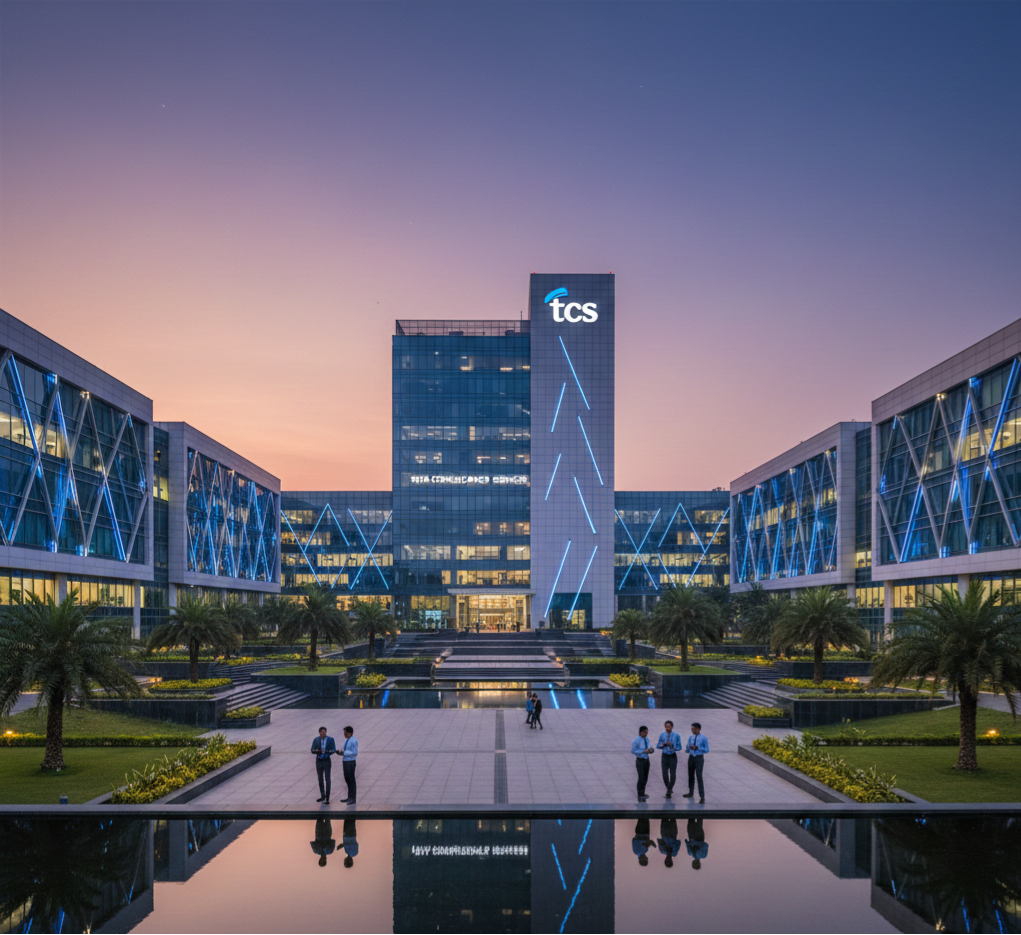
Tata Consultancy Services (TCS) has announced an interim dividend of ₹57 per equity share for FY26, which includes a third interim dividend of ₹11 per share and a special dividend of ₹46 per equity share.

UPDATE: Tata Consultancy Services Limited has informed the Exchange about Date of Payment of Dividend on NSE .

Tata Consultancy Services Declares ₹57 per Share Dividend Alongside Q3 FY26 Results

January 12, 2026 — Tata Consultancy Services (TCS), India’s largest IT services company, has declared a total dividend of ₹57 per equity share for the financial year 2025-26, comprising a third interim dividend of ₹11 per share and a special dividend of ₹46 per share, according to an exchange filing by the company.

The dividend announcement was made in conjunction with the company’s third quarter (Q3 FY26) financial results. Alongside the dividend decision, TCS reported its quarterly performance, with consolidated revenue rising about 5% year-on-year.

TCS has also fixed January 17, 2026, as the record date for determining the eligible shareholders entitled to receive the dividend. Payment of the dividend is expected to be made in early February, subject to regulatory and procedural formalities.

The board’s decision reflects TCS’s continued focus on returning capital to shareholders while maintaining a balanced capital allocation approach amid challenging macroeconomic conditions in the global IT services market.

Kotak Mahindra Bank has appointed Anup Kumar Saha as a Whole-Time Director, strengthening the bank’s senior leadership team

KOTAK MAHINDRA BANK NEWS ON MONEY CONTROL

KOTAK MAHINDRA BANK STOCK PRICE ON NSE

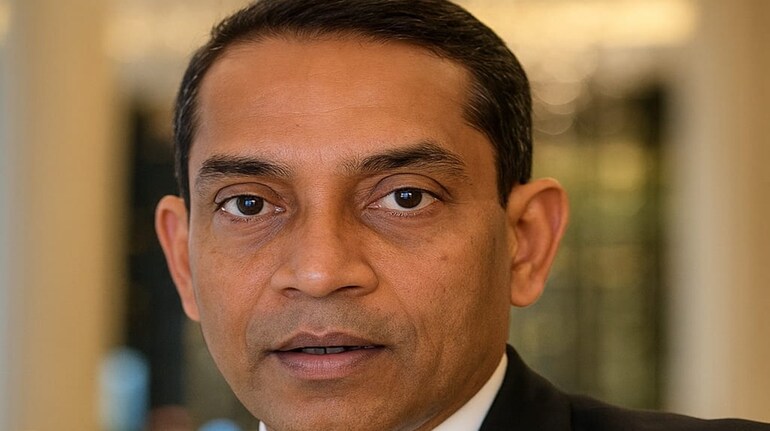
Kotak Mahindra Bank has announced the appointment of Anup Kumar Saha as a Whole-Time Director, effective January 12, subject to receipt of regulatory approvals. Until then, he will serve as Whole-Time Director (Designate), the bank said in a statement.

Saha will join the bank’s senior management team and lead key functions including consumer banking, marketing, and data analytics. His appointment is expected to strengthen Kotak Mahindra Bank’s leadership bench and accelerate its focus on customer-centric transformation, digital innovation, and data-driven strategies.

Commenting on his appointment, Saha said he was “excited and honored” to join the bank and looked forward to collaborating with the leadership team to build on its strong foundation, drive innovation, deepen customer relationships, and create long-term value for stakeholders.

Prior to joining Kotak Mahindra Bank, Saha served as Managing Director of Bajaj Finance for over eight years, where he played a pivotal role in transforming the company into one of India’s most profitable non-banking financial companies in the consumer finance segment. During his tenure, he led large-scale business transformation initiatives, advanced digital innovation, and customer-focused strategies, while helping expand the company’s customer base to over 100 million and significantly diversify its product portfolio.

ICICI Lombard employee accidentally shares draft Q3 financial results on WhatsApp

ICICI LOMBARD FULL NEWS OF (ICICI Lombard employee accidentally shares draft Q3 financial results on WhatsApp) ON MONEY CONTROL

ICICI Lombard Employee Accidentally Shares Draft Q3 Financial Results on WhatsApp, Sparks Governance Concerns

An alleged WhatsApp leak of ICICI Lombard’s draft Q3 financial results has triggered intense discussion around data security, corporate governance, and market sensitivity in India’s financial sector.

Reports circulating on social media and market circles suggest that an employee of ICICI Lombard General Insurance Company may have accidentally shared unpublished draft financial results for the third quarter (Q3) on a WhatsApp group. While the company has not officially confirmed the details of the incident, the development has drawn attention due to the sensitive nature of financial disclosures and their potential impact on markets.

According to people familiar with the matter, the information shared was believed to be a working draft of the insurer’s Q3 performance, not meant for public circulation. Draft results typically undergo multiple layers of internal review before being presented to the board and eventually disclosed to stock exchanges in line with regulatory requirements. Any premature disclosure, even if accidental, can raise serious compliance and ethical questions.

Why the Incident Matters

As a listed entity, ICICI Lombard is governed by stringent disclosure norms laid down by the Securities and Exchange Board of India (SEBI). These rules are designed to ensure that all investors receive price-sensitive information at the same time, preventing selective access that could lead to unfair trading advantages.

Market experts say that even an inadvertent leak of financial data can be problematic. “Draft results, by nature, are incomplete and subject to change. If such information circulates outside authorised channels, it can distort investor perception and potentially influence stock prices,” said a governance expert tracking the insurance sector.

Market Reaction and Investor Sentiment

There was heightened chatter among traders and analysts following the reported leak, although ICICI Lombard’s stock movement remained largely within broader market trends. Analysts caution that unverified or partial financial data should not be used as a basis for investment decisions, as final numbers can differ materially from early drafts.

Long-term investors, however, appear more focused on the company’s fundamentals, including its underwriting performance, claims ratio, and growth in the general insurance segment, rather than on short-term noise created by social media leaks.

Internal Review and Corporate Governance

While there has been no formal statement detailing disciplinary action, such incidents typically prompt internal reviews of information security protocols. Companies often reassess access controls, employee training, and digital communication policies to ensure sensitive data is shared strictly on a need-to-know basis.

Corporate governance specialists note that the growing use of informal communication platforms like WhatsApp in professional environments increases the risk of accidental disclosures. “Convenience should never override compliance,” said a senior compliance consultant. “This incident is a reminder for corporates to reinforce digital hygiene and awareness among employees.”

Broader Implications for Indian Corporates

The episode has once again highlighted the fine line between speed and security in today’s digital workplace. As Indian corporates increasingly rely on instant messaging tools, regulators and boards are expected to push for clearer guidelines on their official and unofficial use.

For ICICI Lombard, one of India’s leading general insurers, the focus is likely to remain on maintaining transparency, investor trust, and regulatory compliance as it prepares to officially announce its Q3 results through proper channels.

Until then, market participants are advised to rely only on stock exchange filings and official company communications, steering clear of unverified information circulating on social media.

HUL gets Rs 1,559 crore income tax demand for FY22, says no impact on business

Read detailed news of HUL on Money control

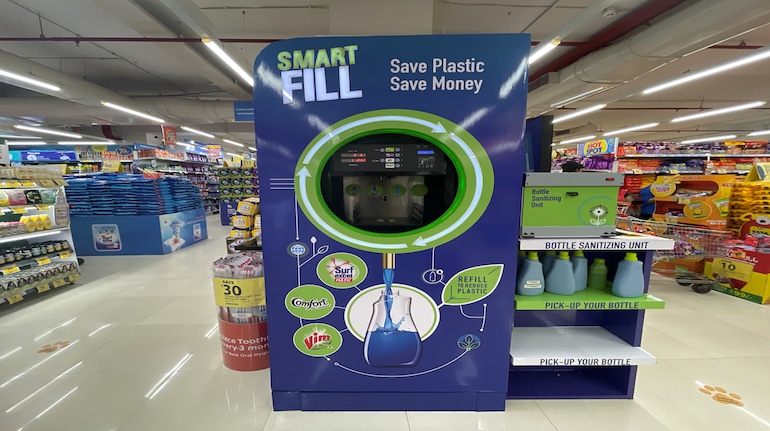
Hindustan Unilever Limited (HUL), India’s largest fast-moving consumer goods (FMCG) company, has received an income tax demand of ₹1,559 crore for the financial year 2021–22 (FY22), according to a regulatory filing made by the company. The demand was raised by the Income Tax Department following the completion of assessment proceedings, drawing immediate attention from investors and market participants. However, HUL has moved swiftly to reassure stakeholders, stating that the order will have no material impact on its financial position, operations, or business continuity, underlining the company’s strong balance sheet and robust compliance framework.

In its official communication, HUL clarified that the tax demand primarily arises from matters related to disallowances and additions made by the assessing officer, many of which have been disputed by the company in previous years as well. The FMCG major emphasized that it firmly believes the demand is not tenable on merit, and that similar issues have been decided in its favor by appellate authorities in the past. As a result, the company plans to challenge the order before the appropriate legal forums within the prescribed timelines, while also seeking a stay on the demand.

Despite the sizeable headline figure of ₹1,559 crore, HUL has categorically stated that there will be no adverse impact on its business operations or financial health. The company’s strong cash flows, low debt levels, and consistent profitability provide it with ample financial resilience to manage such contingencies. For investors, this assurance is significant, as it reinforces confidence in HUL’s ability to navigate regulatory and legal challenges without disrupting its core business performance.

Market experts note that large tax demands are not uncommon for corporations of HUL’s scale, particularly given the complexity of tax laws and the interpretational differences that often arise during assessments. Such matters typically go through multiple stages of appeal and litigation, often spanning several years. In many cases, the final liability, if any, turns out to be substantially lower than the initial demand. HUL’s long history of successfully contesting similar cases further supports the company’s confidence in a favorable outcome.

From a business standpoint, HUL continues to remain on solid footing. The company commands a dominant presence in India’s FMCG sector, with a diversified portfolio spanning home care, personal care, foods, and refreshments. Brands such as Surf Excel, Rin, Lux, Dove, Lifebuoy, Sunsilk, Wheel, Bru, and Kwality Walls enjoy strong consumer recall and wide distribution reach. Even amid inflationary pressures and fluctuating input costs, HUL has demonstrated its ability to protect margins through calibrated price hikes, cost efficiencies, and premiumization strategies.

The company’s management has consistently focused on volume-led growth, rural demand recovery, and innovation-led expansion. Recent quarters have shown gradual improvement in demand conditions, particularly in urban markets, while rural consumption has begun to stabilize. In this context, the tax demand episode is widely viewed as a legal and procedural issue rather than a business risk, with no bearing on HUL’s long-term growth trajectory.

For shareholders and analysts, the key takeaway is HUL’s clear and transparent communication. By promptly disclosing the tax demand and reaffirming its negligible impact on operations, the company has sought to eliminate uncertainty and speculation. As the matter moves through the appellate process, it is expected to remain a background development rather than a defining factor for the stock’s performance.

In conclusion, while the ₹1,559 crore income tax demand for FY22 may appear significant at first glance, Hindustan Unilever Limited’s strong fundamentals, proven legal track record, and confident management stance suggest that the issue is unlikely to disrupt its business momentum. As India’s FMCG leader continues to focus on growth, innovation, and consumer value creation, this development is seen as a manageable challenge rather than a cause for concern.

RELIANCE (RIL) Q3 Update: Reliance Industries to announce third-quarter results on January 16

MONEY CONTROL DETAILED NEWS ON RELIANCE Q3 UPDATE

Reliance Industries Q3 Results: All Eyes on January 16 Announcement

Reliance Industries Limited (RIL), India’s largest and most valuable listed company, is set to announce its third-quarter (Q3) financial results on January 16, drawing significant attention from investors, analysts, and the broader market. Led by billionaire Mukesh Ambani, the diversified conglomerate operates across energy, petrochemicals, retail, telecommunications, and emerging green energy segments. As expectations build ahead of the earnings release, market participants are closely evaluating how Reliance has navigated a challenging global environment while continuing to scale its consumer and digital businesses.

Oil-to-Chemicals Segment Faces Global Headwinds

Reliance’s traditional oil-to-chemicals (O2C) business is expected to report a mixed performance in the third quarter. Volatility in crude oil prices, softer global demand, and pressure on refining margins may impact profitability. However, analysts believe that Reliance’s massive scale, integrated operations, and operational efficiencies could help mitigate some of these challenges. Any improvement or stabilization in refining and petrochemical margins would be viewed positively by the market. Investors will pay close attention to management commentary on refining spreads, export demand, and the outlook for global energy markets.

Retail Business Likely to Shine During Festive Quarter

The spotlight is firmly on Reliance Retail, which is widely expected to deliver strong growth in Q3, supported by the festive season and sustained expansion across physical and digital channels. Robust demand in categories such as grocery, fashion, electronics, and consumer durables is likely to have driven higher revenues. Market participants will look for updates on same-store sales growth, margins, and the pace of new store additions, as Reliance Retail continues to consolidate its position as India’s largest and fastest-growing retail chain.

Jio Platforms to Deliver Stable Telecom Performance

Jio Platforms, the digital and telecom arm of Reliance Industries, is anticipated to post stable operational metrics during the quarter. Analysts expect steady subscriber additions, healthy growth in data usage, and stable average revenue per user (ARPU). With the Indian telecom industry moving toward a more rational pricing structure, investors will be keen to hear management’s views on potential tariff hikes, customer monetization, and growth opportunities in digital services, cloud computing, and enterprise solutions. Jio’s long-term growth prospects remain a key pillar of Reliance’s overall valuation.

Focus on New Energy and Future Investments

Beyond its core businesses, the market will closely track updates on Reliance’s new energy initiatives, including green hydrogen, solar module manufacturing, and battery storage solutions. While these segments are still in the investment phase, any clarity on project timelines, strategic partnerships, or capital expenditure plans could influence long-term investor sentiment. Reliance’s strong balance sheet and disciplined investment approach continue to provide comfort to stakeholders amid ongoing expansion.

What Investors Can Expect Going Forward

As Reliance Industries prepares to unveil its Q3 results on January 16, expectations remain cautiously optimistic. While near-term challenges persist in the global energy landscape, the company’s robust retail and telecom businesses, combined with its forward-looking investments in renewable energy and digital platforms, position it well for sustainable long-term growth. The upcoming earnings announcement and management commentary are expected to offer crucial insights into business performance, strategic direction, and the outlook for the remainder of the financial year, making this a key event for Indian equity markets.