Natco Pharma and Eris Lifesciences are significant players in the Indian pharmaceutical market, each contributing unique expertise and innovation in healthcare. Established in 1981, Natco Pharma has built a strong reputation for its commitment to providing high-quality generic and specialty medicines. The company specializes in the development, manufacturing, and marketing of a variety of pharmaceutical products, including oncology, anti-diabetic, and cardiology medications. With over four decades of extensive experience, Natco has achieved numerous milestones, particularly in the production of affordable medicines, thereby enhancing access to critical therapies for countless patients.
Eris Lifesciences, founded in 2007, has quickly emerged as a leader in the chronic and acute therapeutic segments. The company focuses primarily on areas such as diabetes, cardiovascular diseases, and weight management. Eris prides itself on its robust R&D capabilities, which have led to the successful launch of various innovative formulations aimed at addressing prevalent health issues in India. The company’s commitment to quality and effectiveness is central to its mission of improving healthcare outcomes for patients.
Both companies have garnered recognition and accolades for their contributions to the pharmaceutical industry. Natco Pharma’s strategic partnerships and efforts in developing biosimilars and niche products underscore its innovation-driven approach. Similarly, Eris Lifesciences has achieved significant growth through a varied product portfolio and targeted marketing strategies, positioning itself as a reliable choice for healthcare professionals and patients alike.
This collaboration between Natco Pharma and Eris Lifesciences represents a significant opportunity in the pharmaceutical landscape, merging their strengths to introduce semaglutide, a critical medication aimed at managing diabetes and obesity effectively. Their combined efforts are expected to enhance the accessibility and affordability of this essential therapy for patients in India, contributing positively to public health.
Details of the Partnership for Semaglutide
The collaboration between Natco Pharma and Eris Lifesciences represents a significant milestone in the Indian pharmaceutical market, particularly concerning the commercialization of semaglutide, a medication for managing type 2 diabetes. This strategic partnership, forged in the wake of rising diabetes prevalence in India, aims to enhance patient access to cutting-edge treatment options.
Under the terms of the agreement, Natco Pharma will leverage its extensive manufacturing capabilities and regulatory expertise to produce semaglutide. This arrangement allows for streamlined production and compliance with local regulatory standards, ensuring that the medication can be made available at competitive prices. On the other hand, Eris Lifesciences is tasked with marketing and distribution, drawing upon its established network to facilitate market penetration and promote the therapeutic benefits of semaglutide among healthcare providers.
One of the partnership’s primary objectives is to provide an affordable alternative in the diabetes drug market, which is currently dominated by costly options. Financially, the agreement has been structured to benefit both parties, ensuring that revenue sharing is aligned with market performance while also investing in educational initiatives for healthcare practitioners regarding the effectiveness and advantages of semaglutide.
The importance of semaglutide lies not only in its clinical efficacy but also in its innovative mechanism of action, which has shown to significantly reduce blood sugar levels and support weight loss in patients with type 2 diabetes. The successful introduction of semaglutide into the Indian market is expected to fulfill a critical need, enhancing the standard of care and potentially improving outcomes for millions of individuals living with this chronic condition.
Market Reaction and Share Performance
The recent strategic partnership between Natco Pharma and Eris Lifesciences to launch Semaglutide in India has generated significant interest in the financial markets. Following the announcement, both companies witnessed a remarkable surge in their share prices, reflecting positive investor sentiment and confidence in the collaboration’s potential to enhance market reach and sales performance. According to market data, Natco Pharma’s share price rose by approximately 15% within the first week post-announcement, while Eris Lifesciences observed a similar increase of around 12%. These statistics indicate a strong endorsement from investors, as they perceive this partnership as a strategic maneuver to penetrate the growing diabetes treatment market in India.
Market analysts have commented on the implications of this collaboration, suggesting that Semaglutide’s introduction could position both companies favorably among competitors, thus benefitting long-term growth. Leading industry experts predict that the partnership will not only bolster the revenue streams for both Natco Pharma and Eris Lifesciences but also enhance their reputation as innovators within the pharmaceutical sector. Furthermore, this partnership aligns with the increasing healthcare demand driven by rising diabetes prevalence in India, thereby indicating a timely entry into a lucrative market segment.
From a shareholders’ perspective, the initial market reaction underscores a bullish outlook towards both companies’ financial prospects. However, it is crucial for investors to remain cautiously optimistic. While the early performance of their shares is promising, the true impact on long-term share performance will depend on various factors, including sales execution, regulatory approval processes, and competitive responses in the burgeoning diabetes care market. Overall, this collaboration could serve as a pivotal point for Natco Pharma and Eris Lifesciences, enabling them to capitalize on a substantial market opportunity.
Future Outlook for Semaglutide in India and Beyond
The partnership between Natco Pharma and Eris Lifesciences marks a critical step in expanding the accessibility of semaglutide in India, a medication heralded for its efficacy in managing type 2 diabetes and contributing to weight loss. As these two companies collaborate, the implications for the future of semaglutide in India could reshape the diabetes treatment landscape significantly.
One foremost challenge anticipated in the market involves navigating regulatory hurdles and ensuring compliance with local health standards. This could affect the timeline for the product launch and subsequent market penetration. However, the strong reputation of both Natco Pharma and Eris Lifesciences could mitigate perceived risks, providing them a competitive edge in attracting healthcare providers and patients alike.
In terms of opportunities, the growing prevalence of diabetes in India presents a robust market for semaglutide. As awareness regarding diabetes and its complications increases, there is a potential surge in demand for effective treatment options. Both companies can leverage this partnership to enhance their marketing strategies, focusing not just on the product benefits but also on patient education regarding the importance of managing diabetes through medication.
Moreover, the collaboration may open doors for Natco Pharma and Eris Lifesciences to venture into international markets. By successfully establishing a footprint in India, they could leverage their learnings and operational efficiencies to expand into other emerging markets facing similar health challenges. The global pharmaceutical landscape increasingly favors collaborations, as they allow companies to pool resources and expertise, thereby fostering innovation.
In conclusion, the partnership between Natco Pharma and Eris Lifesciences is poised to have a lasting impact on the availability and management of diabetes in India. By addressing challenges and capitalizing on growth opportunities, they can set a precedent for strategic alliances in the pharmaceutical sector, potentially enhancing diabetes care on a global scale.
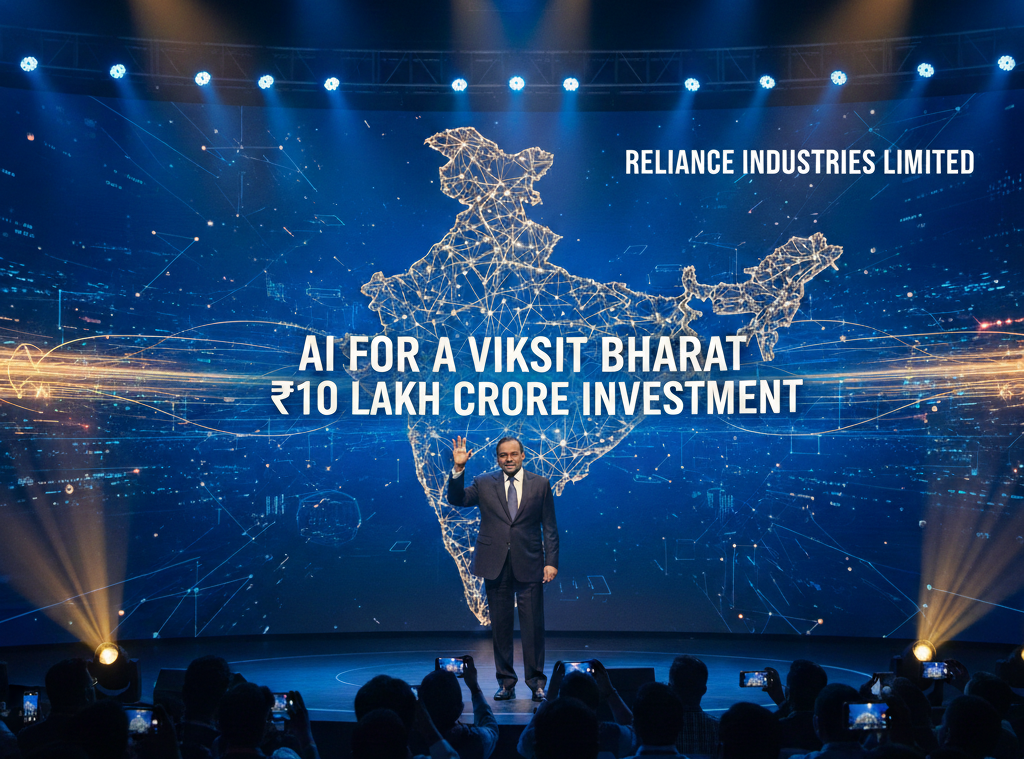
The rapid advancement of artificial intelligence (AI) technology is reshaping industries and societies across the globe, and India is positioned to leverage this transformation significantly. The Indian government’s ambitious vision of becoming a developed nation by 2047 aligns perfectly with the potential of AI to drive economic growth, enhance efficiency, and foster innovation. Mukesh Ambani’s recent address at the AI Impact Summit underscored this sentiment, emphasizing the game-changing potential of AI in addressing critical challenges ranging from healthcare to agriculture.
AI technology holds the promise of bringing about dramatic improvements in productivity and effectiveness in various sectors, thus propelling national progress. For instance, in agriculture, AI can optimize crop yield predictions, enabling farmers to make informed decisions based on real-time data. In healthcare, AI-driven solutions can assist in diagnosing diseases at early stages, which could improve treatment outcomes significantly. These advancements position AI as a pivotal tool in addressing the socio-economic disparities facing India.
Furthermore, the deployment of AI technology is expected to generate new job opportunities, thus contributing to the overall economic stability of the nation. As industry leaders like Mukesh Ambani express their commitment to an extensive ₹10-lakh-crore investment in AI, it becomes increasingly evident that the integration of AI into various domains is not merely an option but a necessity. This investment aims to cultivate a robust AI ecosystem in India, driving creativity and entrepreneurship among emerging tech companies.
In summary, as India embarks on this journey towards an AI-driven future, the foundation laid by ambitious plans and visionary leaders like Mukesh Ambani is crucial to harnessing the full potential of artificial intelligence. The focus on AI is expected to catalyze significant advancements across multiple sectors, setting a strong trajectory towards becoming a developed nation by the stipulated year of 2047.
Mukesh Ambani’s Keynote Highlights
Mukesh Ambani, during his keynote address, articulated a compelling vision regarding the pivotal role of Artificial Intelligence (AI) in transforming India’s economic landscape. He emphasized that AI is not merely a technological advancement but a crucial catalyst for driving growth, enhancing productivity, and fostering innovation across various sectors. According to him, India stands on the brink of an AI revolution that holds the potential to significantly impact the nation’s GDP and improve the quality of life for millions of citizens.
Ambani mentioned that Reliance Industries Limited (RIL) aims to leverage AI to empower sectors such as agriculture, healthcare, and education by integrating advanced data analytics and machine learning algorithms. By adopting such transformative technology, he believes that the agricultural sector can optimize crop yields and enable real-time decision-making, thereby ensuring food security and enhancing farmers’ incomes.
Moreover, he highlighted that AI can play an essential role in revolutionizing healthcare in India. Ambani pointed out that through AI-driven solutions, healthcare delivery can become more efficient and accessible to remote and underserved populations. By employing machine learning in diagnostic processes, the healthcare system can achieve faster and more accurate outcomes, ultimately leading to better patient care.
In the realm of education, Ambani asserted that AI can personalize learning experiences and make quality education available to all students, regardless of their geographical or socio-economic backgrounds. He envisaged a future where AI could tailor educational content to individual learning styles, thereby enhancing knowledge retention and fostering a more inclusive learning environment.
Overall, Mukesh Ambani’s address underscored the immense potential of AI in driving India’s growth trajectory and underscored RIL’s commitment to being at the forefront of this technological evolution. His vision embodies a future where AI serves as a fundamental enabler for prosperity and innovation within the nation.
RIL’s Proposed ₹10-Lakh-Crore Investment
Reliance Industries Limited (RIL) has announced an ambitious plan to invest ₹10 lakh crore over the coming years to enhance India’s artificial intelligence (AI) capabilities. This strategic investment is designed to position India as a global powerhouse in AI technology and innovation. RIL aims to leverage this investment to drive advancements across multiple sectors, including healthcare, agriculture, education, and manufacturing.
The proposed investment will focus on three key areas: AI research and development, infrastructure enhancement, and workforce training. Firstly, RIL plans to establish AI research hubs across the country to bolster innovation and collaboration among various academic and industrial entities. These hubs are envisioned to facilitate cutting-edge research and create prototypes that can be scaled up for real-world applications.
Secondly, the investment will be geared towards upgrading infrastructure necessary for the deployment of AI technologies. This includes enhancing computing capabilities, improving data accessibility, and ensuring secure data management systems. By developing a robust digital infrastructure, RIL seeks to create an ecosystem conducive to AI adoption and integration.
Finally, workforce training will play a pivotal role in this investment strategy. RIL intends to implement comprehensive training programs aimed at reskilling and upskilling the existing workforce, ensuring they are equipped with the necessary tools and knowledge to thrive in an AI-driven landscape. Collaborations with educational institutions will be fostered to create curriculums that align with industry needs.
The anticipated outcomes of RIL’s investment plan are significant. By fostering innovation, augmenting infrastructure, and enhancing workforce skills, RIL aims to not only elevate India’s status in the global AI arena but also to improve the quality of life for millions through technological advancements. The timeline for this initiative is projected to unfold over the next decade, indicating a long-term commitment to India’s AI evolution.
AI as a Tool for Economic Growth
Artificial Intelligence (AI) has emerged as a transformative force in various economies worldwide, and India is uniquely positioned to harness this potential. With Mukesh Ambani’s ambitious vision for Reliance Industries Limited (RIL), which includes a significant investment of ₹10 lakh crore, AI is expected to play a pivotal role in the nation’s economic landscape, contributing substantially to GDP and elevating living standards.
One of the primary sectors that could benefit from AI integration is agriculture. By utilizing predictive analytics, AI can optimize crop yields, manage resources efficiently, and aid farmers in making informed decisions based on real-time data. This advancement not only enhances productivity but also addresses food security issues, potentially reducing poverty in rural areas.
Furthermore, the healthcare sector stands to gain immensely from AI technologies. Solutions such as AI-driven diagnostic tools and personalized medicine can increase access to quality healthcare, especially in underserved regions. By improving clinical outcomes and streamlining operations in hospitals, AI can elevate public health standards and lessen the economic burden caused by diseases.
Another area ripe for AI integration is manufacturing, where automation and smart technologies can optimize processes, enhance efficiency, and reduce costs. The adoption of AI can lead to better resource management, which in turn can stimulate job creation in new sectors, driving economic growth. Moreover, as industries become more competitive due to enhanced productivity, they contribute significantly to the overall sustainability of the economy.
The financial services sector also has much to gain from AI, with advancements in risk assessment and fraud detection helping to increase trust and efficiency in financial transactions. Enhanced fintech solutions can provide affordable banking services to the unbanked population, thereby promoting financial inclusion and, ultimately, reducing poverty.
In conclusion, the integration of AI into various economic sectors can dramatically enhance India’s economic landscape. By fostering innovation and increasing efficiencies, AI not only possesses the potential to propel economic growth but also to improve living standards for millions of citizens across the nation.
The Role of Government in AI Advancement
The advancement of artificial intelligence (AI) in India is significantly influenced by government policies and initiatives. Under the leadership of Prime Minister Narendra Modi, there has been a concerted effort to foster a conducive environment for AI technologies to thrive. The Indian government recognizes that the successful integration of AI into various sectors can substantially enhance economic growth and societal welfare. This recognition has led to a framework of policies aimed at promoting research, innovation, and investment in AI.
One of the key initiatives taken by the government is the establishment of the National AI Strategy, which outlines a roadmap for driving AI adoption across industries. This strategy emphasizes the importance of collaboration between public and private sectors, underscoring that government support is essential for creating a robust AI ecosystem. The government is also focusing on nurturing talent through educational reforms that incorporate AI and data science into the curriculum, enabling future generations to be equipped with the necessary skills.
Moreover, the government is incentivizing private sector participation by launching various funding schemes, grants, and tax benefits aimed at startups and established companies in the AI field. This encourages innovation-driven enterprises to explore AI technologies, contributing to India’s overall ambition of becoming a global leader in AI. Additionally, the establishment of research institutes and partnerships with leading tech firms provides invaluable resources and expertise that support AI development.
In conclusion, the role of the Indian government in advancing AI technologies underlines its critical position in establishing a supportive framework for innovation. With sustained commitment and strategic planning, the government can effectively facilitate the growth of AI, aligning it with India’s broader economic goals and positioning the nation at the forefront of the global AI revolution.
Global Perspectives on AI Development
The discourse surrounding artificial intelligence (AI) is rich and multifaceted, encompassing a variety of perspectives from different geopolitical contexts. At the heart of this discussion lies a fundamental dichotomy: the concentration of AI capabilities versus the democratization of its benefits. Some countries, particularly in the Western world, are pursuing a strategy of concentration, where a few key players dominate the landscape of AI technology. This model tends to emphasize investment in cutting-edge research and development, often resulting in substantial advancements but also raising concerns over monopolistic practices and the ethical implications of such power dynamics.
Conversely, the democratization of AI is gaining traction in various parts of the globe, especially in emerging markets. Countries like India, driven by influential figures such as Mukesh Ambani, advocate for a more inclusive approach to AI. This perspective prioritizes accessibility and the equitable distribution of AI technologies across different sectors of society, potentially enabling a larger segment of the population to leverage AI advancements for economic and social benefits. This approach could help bridge the gap between developed and developing nations, fostering innovation while mitigating the risks associated with AI dominance.
Mukesh Ambani’s vision aligns closely with this democratization ethos, emphasizing the necessity for a balanced approach that harnesses the power of AI, while ensuring that its benefits are not confined to a select few. By recognizing the differing trajectories of AI development globally, stakeholders can better navigate the complexities that shape the future of nations. Furthermore, fostering international dialogue on these divergent paths will be crucial for creating frameworks that support cooperation and mitigate the risks of competitive escalations in AI technology.
Challenges and Ethical Concerns in AI Implementation
The introduction and implementation of artificial intelligence (AI) technologies bring numerous potential benefits, particularly in a burgeoning economy like India’s. However, alongside these advantages lie multifaceted challenges and ethical concerns that require careful consideration. Data privacy emerges as a significant issue; with increasing amounts of personal data being collected to train AI systems, ensuring its protection becomes paramount. Unauthorized access or data breaches can lead to severe privacy violations, with citizens potentially facing risks related to identity theft and misuse of their personal information.
Furthermore, the question of AI ethics cannot be overlooked. AI systems often operate based on algorithms that can unintentionally embody biases present in the training data. This not only reflects existing societal inequalities but can also reinforce and exacerbate them. As AI is increasingly deployed in critical sectors such as healthcare, finance, and law enforcement, the stakes become higher. Addressing these biases and ensuring fair representation in AI applications must be a priority to maintain public trust and equality.
Another concern is the concentration of power within a few technology leaders, leading to monopolistic structures that could hinder competition. As Ambani’s Reliance Industries Limited (RIL) invests heavily in AI, the risk of technological domination becomes apparent. Such concentration might limit innovation among smaller entities and potentially stifle diversity in AI solutions. Consequently, lessons must be learned from the emergence of regulations in tech industries worldwide, guiding ethical practices and fostering an equitable environment.
Ultimately, while the promise of AI is profound, navigating these challenges requires a dedicated focus on ethical standards, robust regulations, and a commitment to transparency. Achieving a balance between technological advancement and societal well-being will be crucial as India strides forward into the AI revolution.
Creating an Inclusive AI Ecosystem
The advancement of artificial intelligence (AI) has the potential to transform various sectors within India, from healthcare to education and beyond. However, this transformation should not merely enhance the capabilities of a select group but should instead extend equitable access to AI technologies across all segments of society. To create an inclusive AI ecosystem, several strategies must be implemented, ensuring that every individual, regardless of socioeconomic status, can benefit from these technological advancements.
First and foremost, education plays a crucial role in this inclusivity. By incorporating AI and data science curricula into educational institutions nationwide, individuals from diverse backgrounds can acquire essential skills needed in the evolving job market. Public-private partnerships may facilitate this educational outreach, allowing organizations like Reliance Industries Limited (RIL) to collaborate with educational entities and develop programs tailored for underprivileged communities.
Furthermore, fostering awareness about AI technologies is imperative. Initiatives such as workshops, community outreach programs, and online resources can demystify AI for the general population. By promoting understanding and usage of AI tools, citizens can harness technology for personal and professional growth. Additionally, government policies should emphasize the importance of access to AI technologies, encouraging initiatives that target marginalized groups and rural populations.
Accessibility to AI infrastructure is another critical aspect. The establishment of public data centers and local AI hubs can provide essential resources, allowing smaller enterprises and startups to utilize AI effectively. RIL’s commitment to building a robust digital infrastructure can further support local innovation, enabling entrepreneurs from various backgrounds to thrive in an increasingly competitive environment.
Through a concerted effort combining education, awareness, and infrastructure, India can truly harness AI’s potential for all its citizens, ensuring that this technological revolution does not leave anyone behind.
Conclusion: The Path Forward for AI in India
The vision articulated by Mukesh Ambani regarding the ambitious ₹10-lakh-crore plans underscores a pivotal moment in India’s journey towards becoming a global leader in artificial intelligence. This initiative not only aims to leverage the vast potential of AI for economic growth but also emphasizes the necessity for a collective effort across various sectors in society. To realize this vision, it is essential for government, industry leaders, educational institutes, and the general public to collaborate and contribute towards building a robust AI ecosystem.
India boasts a rich tapestry of technological prowess, innovative spirit, and a youthful populace, all of which are crucial assets for fostering advancements in AI. With strategic investments and a focus on research and development, India has the potential to not only foster home-grown solutions but also to export AI technologies and expertise globally. However, achieving this ambitious goal requires a multifaceted approach that encompasses education, infrastructure development, and regulatory frameworks that support innovation while ensuring ethical considerations.
Furthermore, there must be an emphasis on inclusive growth that brings various demographics into the fold of AI development. By ensuring that technologists, entrepreneurs, and communities are equipped with the necessary skills, the focus can shift towards creating solutions that address pertinent societal challenges such as healthcare, agriculture, and urban planning.
In essence, the pathway that Mukesh Ambani envisions for India can only be actualized through mutual understanding and synergies between public and private entities. As the nation prepares to embark on this significant AI journey, embracing collaborative initiatives, fostering innovation, and addressing key challenges will be instrumental in solidifying India’s standing in the global AI narrative.
The India Business Excellence Fund V (IBEF V), recently launched by Motilal Oswal Alternates, plays a critical role in the evolving landscape of private equity in India. With a substantial target corpus of Rs 8,500 crore, the fund exemplifies Motilal Oswal’s commitment to fostering growth and encouraging investments in high-potential sectors across the nation.
IBEF V is aimed at catalyzing investments in mid-market companies demonstrating significant potential for growth and operational efficiency. The fund adopts a unique investment strategy, combining a structured approach with flexibility, allowing it to adapt to emerging opportunities across diversified industries. By leveraging the extensive market insights and operational experience of Motilal Oswal, IBEF V is well-poised to identify and invest in companies that not only showcase strong fundamentals but are also aligned with wider economic and market trends.
Launched following a rigorous preparation phase, the fundraising efforts are designed to gather support from both domestic and international investors. Motilal Oswal aims to raise contributions through structured investment mechanisms, ensuring that investors can capitalize on high-yield potential while supporting stellar company growth narratives within India. This function is particularly significant as it aims to bridge the funding gap that many mid-sized companies often experience.
Moreover, IBEF V is particularly notable for its strategic alignment with the continuous growth trajectory of Motilal Oswal. As the private equity landscape in India becomes increasingly competitive, this fund not only enhances the company’s portfolio but also reinforces its commitment to becoming a leading player in the industry. Through IBEF V, Motilal Oswal is set to make substantial contributions to the entrepreneurial ecosystem, ultimately driving economic growth in India.
Investor Participation and Highlights
The successful final close of Rs 8,500 crore for Motilal Oswal Alternates’ fifth Private Equity Fund (IBEF V) marks a significant milestone in capital raising efforts. A diverse range of both domestic and international investors have contributed to this fund, underscoring its broad appeal and strategic importance within the global investment landscape. The investor base includes a mix of institutional investors, prominent corporate stakeholders, and high-net-worth individuals.
Among the major contributors, Adams Street Partners stands out as a key institutional investor. With its strong global network and deep industry expertise, it brings not only financial backing but also valuable insights into the private equity sector. The firm has a long-standing reputation for investing in funds that exemplify rigorous analysis and strategic foresight, which aligns well with the objectives of IBEF V.
Another significant player is the International Finance Corporation (IFC), part of the World Bank Group. Its participation in IBEF V reflects a commitment to fostering private sector development in emerging markets. The IFC’s involvement is particularly meaningful as it focuses on sustainable investments that aim to yield social and environmental benefits, thus enhancing the impact of the fund’s investments.
This strong lineup of investors not only demonstrates confidence in Motilal Oswal Alternates’ strategic approach but also highlights the increasing interest in growth-oriented investments within India. The collaborative effort of these institutional backers is expected to create a robust platform for IBEF V, allowing the fund to pursue high-potential opportunities across diverse sectors, contributing to both economic growth and investor returns.
Ultimately, the blend of local and global investment perspectives will enhance the fund’s ability to identify and capitalize on unique opportunities in the private equity market.
Fund Performance and Achievements
The recent announcement by Motilal Oswal Alternates regarding the final close of its fifth private equity fund, known as IBEF V, has garnered significant attention within the financial community. The fund has successfully raised an impressive total of Rs 8,500 crore, a figure that not only exceeds its initial fundraising target of Rs 6,500 crore but also demonstrates the strong investor confidence in Motilal Oswal’s strategies and market expertise.
One of the remarkable aspects of this fundraising achievement is the speed with which it was accomplished. The entire process was wrapped up in just ten months, illustrating the robust demand for the fund and the effectiveness of Motilal Oswal’s investment approach. Such rapid completion signifies not only the market’s positive outlook but also the firm’s strong positioning in the private equity landscape.
The cap of Rs 8,500 crore represents a strategic decision by Motilal Oswal, reinforcing the firm’s commitment to optimal fund management and investment quality. By setting a hard cap, the organization ensures a disciplined allocation of resources, focusing on high-potential investments that align with the fund’s strategic objectives. This is anticipated to enhance the overall performance of the fund, potentially leading to favorable returns for investors.
Moreover, this successful fundraising is also expected to bolster Motilal Oswal’s reputation in the private equity sector, attracting further investor interest in future funds. The achievements of IBEF V not only underscore the competence of Motilal Oswal Alternates but also indicate the firm’s intent to continue contributing meaningfully to the evolving investment landscape.
Commitment from the Sponsor and Future Outlook
Motilal Oswal Alternates has demonstrated a steadfast commitment to its investors through the substantial final close of Rs 8,500 crore for its fifth private equity fund. This financial commitment signifies more than just capital; it represents a profound alignment of interests between the Motilal Oswal group and its investors. The active involvement of the sponsors within the fund is intended to foster transparency, active management, and a co-investment approach that reinforces trust among stakeholders.
The sponsorship commitment enhances credibility, indicating that the management’s interests are closely linked with those of its investors. Such alignment is crucial in the competitive landscape of private equity, which is characterized by volatility and the need for strategic foresight. The focus will be on sourcing and nurturing high-potential opportunities, particularly in sectors showing resilience and growth post-pandemic.
Looking towards the future, the fund aims to target sectors that are poised for significant expansion, such as technology, healthcare, and consumer services. By aligning with underlying market trends and consumer needs, the fund’s strategy posits an optimistic outlook for higher returns on investment. Furthermore, the focus on sustainability and impactful investments is expected to resonate well with contemporary investor sentiments while also addressing critical global challenges.
The anticipated impact of this ambitious funding round on the private equity sector in India cannot be overstated. As funds flow into high-potential markets, it is likely to stimulate further interest from both domestic and foreign investors, encouraging innovation and new enterprise creation. Therefore, the commitment from Motilal Oswal Alternates not only augments its portfolio but also signals a confidence that is likely to uplift the entire private equity ecosystem in India.
In a strategic move, Ixigo has announced its acquisition of a majority stake in a prominent online travel solutions firm based in Spain for an investment of Rs 125 crores. This acquisition marks a significant milestone for Ixigo, representing its first foray into the international travel market, particularly within Europe. Ixigo, which has established itself as a key player in India’s travel industry, aims to expand its footprint in the European market where travel dynamics differ considerably, especially concerning rail travel, which is a critical component of the continent’s transportation infrastructure.
This purchase not only underscores Ixigo’s ambition to tap into the burgeoning European travel sector but also highlights its commitment to enhancing the travel experiences of consumers beyond Indian borders. With rail travel being one of the leading modes of transportation in Europe, this acquisition positions Ixigo to offer comprehensive solutions that cater to the needs of travelers in one of the most competitive markets globally.
The motivations behind this acquisition are multifaceted. Firstly, it enables Ixigo to diversify its service offerings and customer base, allowing the company to leverage synergies from its existing technologies and expertise in travel solutions. Secondly, it comes at a time when the travel industry in Europe is rebounding post-pandemic, making it a strategic opportunity for growth. The firm aims to integrate its innovative technologies and consumer-friendly services with the operational framework of the acquired company, fostering an environment for mutual growth and customer satisfaction.
Ultimately, this acquisition is poised to pave the way for Ixigo’s future growth plans, as it seeks to establish a robust presence in Europe’s travel market. As competition intensifies, having a stake in Spain’s travel solutions will likely enhance Ixigo’s market position and open up new avenues for revenue generation.
Creating Synergies Between Ixigo and Trenes
The recent acquisition of Trenes by Ixigo marks a pivotal moment in the European travel landscape, as both entities combine their strengths to enhance overall service delivery and improve customer experiences. Ixigo’s innovative use of artificial intelligence alongside Trenes’ established customer base and brand recognition sets the stage for a synergistic partnership that promises to redefine how travelers plan and execute their journeys.
By leveraging Ixigo’s advanced AI-led product developments, this collaboration aims to offer personalized travel solutions tailored to individual preferences and behaviors. For instance, the integration of real-time data analytics can facilitate optimized travel itineraries, suggesting the best routes, and times while taking local operator connections into account. This data-centric approach allows both Ixigo and Trenes to create more efficient travel options for their users, streamlining the process from search to booking.
Moreover, the combined forces of Ixigo’s technological prowess and Trenes’ local market insights enable the deployment of targeted marketing strategies. These strategies could enhance customer engagement through tailored promotions or services that resonate with local travelers. Furthermore, by fostering connections with local operators, Ixigo can help Trenes expand its service offerings, improving not only the scope of routes available but also enhancing the quality of service through real-time feedback mechanisms.
In terms of technological advantages, Ixigo’s capabilities in machine learning and automation can address complex travel use cases, such as managing last-minute cancellations or integrating multi-modal transport options. This enhances the customer journey by providing solutions to frequent pain points faced by travelers in Europe today. As such, the synergies created by this merger are set to yield significant improvements in customer satisfaction and business operations.
Impacts on Product Development and Customer Experience
The recent acquisition of Ixigo marks a significant milestone in its strategy to penetrate Europe’s travel market, particularly through its Trenes platform. As part of this initiative, Ixigo is poised to enhance its product development processes, leveraging state-of-the-art technologies to drive innovation and improve customer experience. A focused shift towards integrating artificial intelligence (AI) will play a crucial role in this transformation, allowing for more personalized and efficient travel solutions.
One of the anticipated advancements is the integration of AI algorithms that analyze user data to provide tailored recommendations for travelers. This will not only streamline the booking process but also enhance the relevance of travel suggestions. For instance, by understanding user preferences, Ixigo can offer personalized train routes, discounts, and travel tips that resonate with individual customers, thus fostering a customized experience.
Moreover, Ixigo’s strategic initiatives aim to revamp service delivery through the introduction of advanced analytics. These innovations will empower the platform to predict delays, offer real-time updates, and present alternative travel options, thereby reducing customer anxiety associated with travel disruptions. Streamlining user interfaces is another area of focus; ensuring that the platform is intuitive and user-friendly will significantly enhance customer interaction and satisfaction.
Furthermore, enhancing customer engagement is paramount. Ixigo envisions implementing interactive features that facilitate real-time user feedback and community interactions, allowing travelers to share experiences and insights. These enhancements not only enrich the customer experience but also build loyalty and trust among users, which is essential in a competitive travel landscape.
In summary, the convergence of innovative technologies and strategic initiatives following Ixigo’s acquisition is set to redefine product development and elevate customer experience across the Trenes platform, providing significant advancements in the European travel market.
Future Growth Opportunities in Europe
Ixigo’s recent acquisition presents a multitude of opportunities for growth within the European travel market. The continent’s travel industry is currently undergoing significant changes, with an increasing demand for personalized travel experiences, sustainability practices, and digital engagement. These trends align closely with Ixigo’s established brand values and offerings, making Europe an attractive market for expansion.
As consumers continue to seek innovative solutions tailored to their preferences, Ixigo can capitalize on this shift by leveraging Trenes’ local expertise and technology. By synthesizing insights from both companies, Ixigo can develop unique travel solutions that appeal specifically to European consumers. This tailored approach not only addresses local demand but also enhances customer satisfaction and loyalty.
In addition to personalized experiences, there is a growing emphasis on sustainable travel. With concerns about climate change influencing consumer choices, Ixigo has the potential to promote eco-friendly travel options. By integrating sustainable practices into its offerings, such as partnering with local businesses focused on minimizing environmental impact, the company can position itself as a responsible choice within the marketplace.
Furthermore, the competitive landscape in Europe is diverse and dynamic, with both established players and new entrants vying for market share. To distinguish itself, Ixigo must focus on offering unique value propositions that set it apart from competitors. This could include advanced technology solutions for trip planning and booking, favored partnership arrangements with airlines and hotels, as well as creating community-driven experiences that foster connections among travelers.
In conclusion, by recognizing and addressing the evolving trends in the travel industry, and utilizing strategic growth tactics, Ixigo can effectively navigate the European market and achieve substantial growth while maintaining its competitive edge.
Hindustan Unilever Ltd. (HUL) recently released its financial results for the third quarter of the fiscal year. The company’s performance in this period demonstrates significant resilience and adaptability, especially in the context of ongoing market fluctuations caused by the pandemic. The reported turnover reached an impressive figure, reflecting an upward trajectory in both urban and rural markets. This improvement is notably attributable to a gradual recovery in consumer demand, which has played a crucial role in shaping HUL’s overall performance.
In terms of financial metrics, HUL’s EBITDA (Earnings Before Interest, Taxes, Depreciation, and Amortization) showcased substantial growth, indicating enhanced operational efficiency and robust cost management strategies employed by the company. The profit after tax (PAT) further corroborates this positive trend, underscoring HUL’s strong profit-generating capabilities amidst challenging conditions. These key performance indicators not only signify a healthy financial state but also highlight the effectiveness of HUL’s strategic initiatives aimed at market recovery.
Furthermore, the diverse product portfolio of HUL has proved instrumental in capitalizing on the rebound in demand across both rural and urban segments. The company has made concerted efforts to address the unique needs of consumers in different regions, tailoring its offerings accordingly. This proactive approach, coupled with innovative marketing strategies, has allowed HUL to maintain its competitive edge in an unpredictable marketplace.
Overall, HUL’s Q3 results offer a comprehensive overview of the company’s operational vitality and serve as a positive indicator of potential growth in the upcoming quarters. The combination of strong financial performance and effective demand recovery strategies positions HUL favorably to navigate through the current economic landscape.
Analysis of Q3 Financial Figures
Hindustan Unilever Limited (HUL) has reported a robust financial performance for the third quarter, culminating in a turnover of ₹16,235 crores. This figure indicates a significant increase, positioning HUL favorably when compared to its previous quarters. The rise in turnover can be attributed to the recovering demand in both urban and rural markets, which has enhanced the overall sales momentum for the company.
Furthermore, the Earnings Before Interest, Taxes, Depreciation, and Amortization (EBITDA) stands at ₹3,788 crores, reflecting a healthy EBITDA margin. This growth suggests an efficient cost management strategy and a favorable product mix, allowing HUL to improve its profitability margins despite facing challenges such as fluctuating commodity prices. The EBITDA figure is crucial as it directly illustrates how effectively HUL is transforming its revenues into actual profit, and this continues to be a key indicator of the company’s operational efficiency.
The Profit After Tax (PAT) for HUL in the third quarter reached ₹2,562 crores. This result not only showcases a solid profit trajectory relative to previous quarters but also highlights the company’s ability to sustain its profitability amid competitive market pressures. What stands out in these financial figures is the commendable ability of HUL to navigate through the post-pandemic recovery phase while maintaining a strong profitability stance. Should these trends continue, they may very well signal a long-term positive outlook for HUL’s financial health, benefiting stakeholders and investors alike.
Demand Recovery Insights
The demand recovery observed in Hindustan Unilever Limited (HUL) can be attributed to several interrelated factors that are impacting both urban and rural markets. Notably, the economic conditions in India have shown signs of improvement, following a gradual recovery from the disruptions caused by the pandemic. This economic rebound is characterized by positive GDP growth, increased consumer spending, and sustained inflation management measures from the government, which bolster consumer confidence.
In urban areas, consumers are increasingly prioritizing discretionary spending as their purchasing power increases. This shift in consumer behavior indicates a willingness to invest in premium products, which HUL has effectively capitalized on through its innovative product lines and marketing strategies. Furthermore, urban consumers are demonstrating a growing preference for brands that emphasize sustainability and ethical considerations, which has prompted HUL to enhance its focus on environmentally friendly practices.
Conversely, rural markets are experiencing a notable upswing in demand partly due to favorable monsoon seasons and government initiatives aimed at enhancing rural incomes. The demand recovery in rural consumers is heightened by the increasing penetration of e-commerce platforms that provide better access to a range of products. As connectivity improves in rural regions, more consumers are engaging with HUL’s offerings, responding positively to promotional campaigns that emphasize value and quality.
The combined effect of these economic factors, changes in consumer behavior, and improving market conditions has contributed significantly to the demand recovery for HUL. As both urban and rural areas continue to exhibit resilience, HUL remains well-positioned to leverage these trends for sustained growth and customer loyalty.
Urban Market Performance
Hindustan Unilever Limited (HUL) has showcased a robust performance in urban markets, driven by specific product lines and strategic initiatives tailored to enhance sales. The urban segments, characterized by a dynamic consumer landscape, have exhibited a notable recovery in demand, attributed to evolving consumer preferences and the gradual normalization of shopping patterns following the pandemic.
Particularly, HUL’s personal care and home care divisions have seen significant growth, with products such as hand sanitizers, beauty soaps, and home disinfectants witnessing sustained popularity. The shift towards hygiene and health consciousness among urban consumers has propelled these categories, making them critical contributors to overall revenue. Additionally, HUL’s food and refreshment segments have also thrived, with ice creams and packaged foods reflecting increased consumer interest as families spend more time at home.
In comparison to previous quarters, HUL’s strong performance in urban areas can also be linked to strategic marketing campaigns and product innovation. The implementation of data-driven insights has enabled HUL to align product offerings more closely with urban consumer demands. For instance, the introduction of innovative packaging and value-for-money products has catered to budget-conscious shoppers, enhancing brand loyalty while capturing market share.
Moreover, HUL has invested in its distribution networks, ensuring that products are readily available across various retail formats, including e-commerce platforms. This strategic focus on enhancing accessibility has proven effective as urban shoppers increasingly turn to online channels for purchasing essentials. By fortifying its presence in the digital space and optimizing supply chain logistics, HUL has successfully adapted to shifting consumer behaviors, further driving growth in urban markets.
This focus on understanding and responding to urban consumer needs not only reinforces HUL’s competitive advantage but also points to a positive outlook for sustained growth in these key areas.
Rural Market Performance
Hindustan Unilever Limited (HUL) has demonstrated a robust performance in rural markets during the recent quarter, reflecting the growing demand recovery. This resurgence is significant as rural markets contribute considerably to the overall sales volume in the consumer goods sector. Unique to these areas are the challenges such as fluctuating purchasing power, variability in agricultural output, and a slower pace of urbanization. Nonetheless, HUL has strategically navigated these complexities through tailored products and marketing initiatives.
One of the most notable aspects of HUL’s approach to rural markets involves understanding consumer behavior, which is influenced by local traditions and economic conditions. In response, HUL has expanded its distribution networks, ensuring product availability reaches even the most remote villages. This strategy not only enhances accessibility but also builds brand loyalty among consumers who often prefer locally relevant products. Additionally, HUL has introduced smaller pack sizes that align with the lower income levels in rural areas, making their products more affordable and appealing.
Moreover, HUL invests heavily in agricultural initiatives that bolster the livelihoods of rural consumers. By supporting farmers through training programs and providing sustainable agricultural solutions, HUL establishes deeper connections with this demographic. Such initiatives not only secure a stable supply chain for HUL’s raw materials but also elevate the economic status of the communities it serves. Furthermore, the implementation of digital tools in marketing and distribution has streamlined operations and enhanced customer engagement.
As demand continues to rise, HUL’s committed efforts toward understanding and adapting to rural market dynamics position the company favorably for sustained growth. The resilience of rural consumers, combined with HUL’s strategic innovations, provides a promising outlook for future performance in these vital segments of the market.
Comparison with Competitors
Hindustan Unilever Limited (HUL), a leading player in the Fast-Moving Consumer Goods (FMCG) sector, maintains a strong market presence, especially in urban and rural areas where demand recovery has positively impacted its performance. To shed light on its competitive positioning, it is essential to compare HUL with its key rivals such as Procter & Gamble, Nestlé, and Britannia Industries. Each of these companies has carved out a unique niche within the FMCG landscape, yet HUL has distinguished itself through a combination of strategic advantages and effective market penetration.
One significant area of differentiation lies in HUL’s diverse product portfolio, which includes household care, beauty and personal care, and food and refreshment segments. This extensive variety not only caters to a wide audience but also minimizes risk by allowing HUL to absorb market fluctuations more efficiently compared to competitors with narrower product lines. Procter & Gamble, for instance, while robust in personal care products, does not offer a comparable range in food categories, leaving it vulnerable to shifts in consumer preferences.
Additionally, HUL’s deep-rooted distribution network signifies a strategic advantage over its rivals. By leveraging extensive rural outreach efforts and robust urban channels, HUL ensures its products are readily available in both metropolitan and less accessible areas. This distribution efficiency is crucial for capturing the growing demand in rural markets, where other competitors may face challenges in establishing a presence. Moreover, HUL’s commitment to sustainability and innovation through product development enhances its brand reputation, thereby attracting conscious consumers and increasing customer loyalty.
In conclusion, while HUL contends with formidable competitors in the FMCG sector, its strategic positioning, expansive portfolio, and strong distribution networks are key factors that bolster its overall performance, solidifying its status as a leader within the market.
Future Outlook for HUL
As Hindustan Unilever Limited (HUL) navigates through the post-pandemic landscape, the future outlook appears optimistic, driven by a notable recovery in consumer demand across both urban and rural segments. The company has exhibited resilience amidst fluctuating market conditions and shifting consumer preferences, further reinforced by its strategic initiatives targeting innovation and sustainability. In light of these factors, stakeholders can anticipate a steady performance trajectory over the coming quarters.
Current trends indicate a strong rebound in demand, particularly in categories such as home care, personal care, and food. HUL’s commitment to enhancing its product portfolio and adapting to emerging consumer trends positions the company favorably. Furthermore, the focus on digital transformation and e-commerce integration offers tremendous growth potential, allowing for more robust engagement with consumers and driving sales from previously untapped channels.
However, several challenges may emerge on HUL’s path to growth. Fluctuations in raw material prices, heightened competition, and the potential for changing regulatory landscapes can impact profit margins and operational efficiencies. Moreover, with increasing consumer awareness regarding sustainability, HUL must continue to innovate and reduce its environmental footprint to meet expectations and maintain brand loyalty.
While the short-term outlook remains positive, the company must also pay attention to long-term strategic positioning. Expanding its presence in rural markets provides an opportunity to capture a larger share of the consumer base that is gradually recovering. Adaptability in marketing strategies and product distribution networks will be essential in overcoming potential hurdles and leveraging opportunities as they arise.
Strategic Initiatives and Innovations
Hindustan Unilever Limited (HUL) continues to propel its growth through a series of well-defined strategic initiatives and innovative practices aimed at enhancing its competitive advantage in both urban and rural markets. A significant part of HUL’s current approach involves the introduction of new product lines that cater to evolving consumer preferences. For instance, the recent launch of plant-based products has not only diversified the portfolio but has also aligned with the growing trend of sustainability among consumers.
Additionally, HUL’s commitment to sustainability is evident in its operations and product formulations. The company has implemented various eco-friendly practices, including reducing plastic usage in packaging and improving the energy efficiency of manufacturing processes. These efforts resonate with consumers who increasingly prioritize environmentally conscious brands, thereby reinforcing customer loyalty and attracting new demographics.
In terms of marketing strategy, HUL is adapting its approach to deeply engage with a digitally savvy audience. The integration of advanced analytics and digital platforms has allowed the company to personalize its marketing campaigns, ensuring they reach the right audience at the right time. This data-driven approach not only enhances engagement but also drives conversions, resulting in better overall performance in both urban and rural markets.
Moreover, HUL is focused on fortifying its distribution networks to reach underserved areas effectively, thus maximizing market penetration. The introduction of mobile apps for retailers and an improved supply chain system are central to this strategy, ensuring timely and efficient product availability. Through these initiatives and innovations, HUL is well-positioned to sustain its growth trajectory and respond to future market challenges effectively.
Conclusion with Key Takeaways
In reviewing HUL’s Q3 results, it is evident that the company has demonstrated significant resilience amidst challenging market conditions. The recovery in demand across both urban and rural segments has positively influenced HUL’s overall performance, showcasing the effectiveness of its adaptive strategies in navigating fluctuations in consumer behavior. This adaptability is crucial for stakeholders who aim to understand the market dynamics and seek reliable investment opportunities in the fast-moving consumer goods sector.
The company’s financial performance reflects not only an upward trajectory but also highlights the essential role of consumer sentiment in driving growth. HUL’s ability to address changing consumer needs, particularly through product innovation and strategic pricing, is noteworthy. These efforts underline the importance of agility in business operations, especially in response to economic pressures that have historically affected purchasing patterns.
From a broader perspective, HUL’s Q3 results signal a positive trend for the consumer goods sector, suggesting a potential resurgence as consumer confidence strengthens. For consumers, this translates into an optimal selection of products that cater to diverse needs, ultimately increasing overall satisfaction. The insights gleaned from this quarter’s performance will serve as a benchmark for evaluating future trends and projecting potential developments in the consumer market.
In conclusion, stakeholders must pay close attention to the implications of HUL’s results. These include not only the quantifiable increases in revenue and market share but also the qualitative factors such as brand loyalty and consumer engagement. Understanding these dynamics will be crucial for making informed decisions in future investments, ensuring alignment with market trajectories influenced by demand recovery.
TCS Shares Drop More Than 5% Today—A Serious Shock to Indian IT Industry and Investors
In a dramatic turn of events, the share price of Tata Consultancy Services Ltd. (TCS), the largest IT services company in India and a bellwether for tech stocks, fell more than 5% during trading on Thursday, February 12, 2026, recording one of the biggest daily losses in recent years. As benchmark indices like the Nifty IT Index experienced a severe sell-off, the decline impacted investor sentiment throughout the Indian market and sent shockwaves through the larger IT sector.
A clear reminder of the volatility afflicting tech stocks, TCS’s market capitalization briefly fell below ₹10 lakh crore for the first time since late 2020 as its shares fell to a 52-week low by midday, wiping out billions of dollars in market value.
Analysts, fund managers, and investors are debating the future of traditional IT outsourcing companies in the age of artificial intelligence (AI), growing customer expectations, and changing global economic dynamics in great detail as a result of this sharp decline.
What Happened Today: Key Numbers and Market Moves
TCS share price fell more than 5% intraday, hitting fresh lows not seen in nearly a year.
The Nifty IT Index slumped sharply — down over 4% at one point — led by heavy selling in tech stocks.
Other major IT players including Infosys, Wipro, and HCLTech also recorded significant losses, reflecting widespread sector weakness.
In broader markets, Indian benchmark indices such as the BSE Sensex and Nifty 50 also ended the session in negative territory, underlining the overall risk-off mood among investors.
Why TCS Shares Are Sliding Today
Investors and analysts point to a combination of macroeconomic, sectoral, and technology-driven forces behind the sell-off:
1. Intensifying AI Disruption Concerns
A key catalyst for the sharp sell-off is growing fear that advancements in AI (artificial intelligence) tools could disrupt traditional IT services models. The market reaction was especially pronounced after news about the launch of powerful AI solutions, including developments from global AI startups, heightened speculation that automation could replace labour-intensive IT services, thereby reducing demand for legacy outsourcing work.
While TCS and other IT firms are actively repositioning themselves in AI and digital transformation services, some investors believe the pace of change is not fast enough, and legacy revenue streams remain vulnerable.
2. Weak US Interest Rate Expectations
Another major factor is the sudden weakening of hopes for near-term U.S. Federal Reserve rate cuts. Strong U.S. employment data in recent weeks has shifted economic expectations, reducing the likelihood of rate cuts in early 2026. This has weighed on sentiment for global equities, particularly stocks with substantial exposure to U.S. markets — such as Indian tech firms that derive a large part of their revenues from North America.
3. Persistent Profit-Taking and Sector Rotation
Market experts point out that many large institutional investors engaged in profit-taking after TCS’s strong 2025 valuation run. There has also been a rotation into sectors perceived to be more resilient, such as banking, consumer goods, and select AI-centric technology stocks, diverting capital away from traditional IT services.
Industry Impact: Bear Market Signals for IT Stocks
The sell-off in TCS triggered a broader reassessment of the Indian IT sector, with multiple firms recording steep declines:
HCLTech recorded near-similar losses amid heavy trading volumes.
Wipro and mid-cap IT names also ended lower as cautious sentiment spread across the index.
Some analysts now suggest that the Nifty IT Index has technically entered a correction, and if buyers fail to step in soon, the sector could experience deeper consolidation before regaining stability.
Expert Views: Is This a Temporary Correction or a Structural Shift?
Market strategists and investment professionals are divided:
Optimistic View
Some experts argue that the sharp sell-off is more reflective of short-term positioning and profit-booking — rather than a fundamental breakdown in TCS’s business model. They note that TCS still maintains strong cash flows, high profitability, a dominant market position, and robust client relationships across banking, insurance, and retail verticals. These analysts believe volatility could present buying opportunities for long-term investors with a multi-year horizon.
Conservative View
Others are more cautious, pointing to structural challenges:
Valuation pressure as TCS trades at a lower price-to-earnings (P/E) multiple compared with past years and sometimes below peers.
The need to accelerate digital and AI-driven services to compete with nimble global tech firms and niche players.
Concerns about slower revenue growth and higher wage costs limiting margin expansion.
These experts suggest that investors should watch upcoming quarterly earnings, commentary on future guidance, and TCS’s ability to secure high-value digital contracts.
What This Means for TCS Investors
For shareholders and prospective investors, today’s drop in TCS stock raises several key considerations:
1. Re-Evaluate Investment Horizon
This correction underscores the importance of long-term investing. Short-term volatility — especially in cyclical sectors like IT — can be sharp and sudden, but historical trends suggest that market leaders often recover and continue to compound value over years.
2. Monitor Technical Levels
Technical analysts will be watching whether TCS can hold key support levels near recent lows. A break below critical support might signal further downside before stabilization.
3. Keep an Eye on Earnings and Guidance
Investor focus will be on the upcoming quarterly results and management commentary on client demand trends, new digital engagements, and AI transformation projects.
4. Diversify Exposure
Given the broader sell-off across the IT sector, it may be prudent for investors to diversify their portfolio across sectors rather than concentrate heavily in tech alone.
Bosch Q3 FY26: Steady Performance, But Valuation Caps Upside
Bosch Limited, a leading name in automotive technology and engineering solutions, delivered a steady set of financial results for the third quarter of fiscal 2025-26. While the topline growth and operational momentum were encouraging, market participants remain cautious due to the company’s valuation — a factor that could constrain meaningful upside in the near term.
Solid Operational Growth Amid Mixed Signals
Revenue and Profit Trends
In Q3 FY26 (October–December 2025), Bosch reported a notable rise in revenue, with total income from operations increasing by around 9.4% year-on-year. This reflected healthier demand across its core automotive portfolios, driven in part by growth in vehicle production and favorable industry conditions in India.
The company also delivered strong profit growth, with net profit up roughly 16% YoY. This demonstrates that Bosch’s underlying businesses — especially in mobility solutions and powertrain components — continue to capture demand even in a cautiously expanding market.
However, compared with the previous quarter, sequential growth was more muted — highlighting how cyclical automotive demand can temper headline performance. Investors and analysts alike are watching these trends closely for clues about near-term momentum.
Segment Performance: Mobility Remains the Engine
Bosch’s diversified structure across multiple product divisions has long been a strength, and this trend held true in Q3 FY26:
Automotive Products — the core revenue driver — saw double-digit growth as OEM production and replacement demand strengthened.
Mobility-related segments including power solutions and aftermarket services showed resilience, powered by strong OEM orders and the festive season uptake of passenger vehicles.
Other non-automotive segments saw mixed results, but their impact on the margin profile was limited.
By maintaining diversified end markets — from passenger cars to off-highway equipment — Bosch has insulated itself to a degree against sharp downturns in any one segment.
Profitability and Margin Dynamics
While Bosch delivered higher net profit in Q3 FY26, profit margins remained under focus. The company’s operating profit and margin expansion were relatively modest, reflecting heightened input costs and competitive pricing pressures in auto components. These operating dynamics influence the quality of earnings — an important consideration for long-term investors.
Margins also reflect Bosch’s continued investment in innovation — from electrification to automated driving technologies — which, while enhancing future growth prospects, has created near-term cost pressure. Long timelines for returns on R&D in cutting-edge automotive tech can weigh on profitability metrics versus peers. Analysts often watch these metrics closely as they assess valuation multiples relative to earnings power.
Valuation: Why the Stock Isn’t Racing Ahead
Despite the respectable set of results, Bosch’s valuation remains a key constraint on upside potential.
Even with steady revenue growth and profit improvement, the company trades at what many market participants describe as a premium valuation multiple relative to its earnings and growth trajectory. Higher multiples imply that a lot of positive performance is already priced into the stock, leaving limited cushion for new gains unless earnings accelerate further or there’s a fundamental rerating in investor sentiment.
There are several reasons why valuation is moderating investor enthusiasm:
Earnings momentum has been solid but not spectacular — investors typically demand stronger profit acceleration for premium valuations to be sustainable.
Profit margin expansion remains uneven due to cost pressures and competitive pricing in key product lines.
External industry pressures such as global semiconductor supply shifts and costs linked to electrification transitions have also led some brokers to take a cautious view on future earnings estimates.
In other words, Bosch’s stock performance — while not weak — reflects a careful weighing by the market between its operational strengths and the reality that substantial valuation re-ratings require clear evidence of sustained earnings acceleration or demonstrable competitive advantage that boosts future cash flows.
Industry Backdrop: Auto Sector Dynamics
The broader auto ecosystem continues to impact Bosch’s outlook:
Auto production and sales cycles — passenger car and commercial vehicle production consistently influence Bosch’s core automotive component revenues. When end-market vehicle production is healthy, demand for Bosch’s products typically rises.
Policy influences — supportive government measures like reduced taxes on vehicles and auto parts have contributed to consumer demand, which in turn benefits suppliers like Bosch. In fact, recent tax cuts in India helped to boost sales activity in late 2025.
Electrification and technology transition — as the automotive industry pushes toward EVs and smart vehicle architectures, Bosch’s investment in electrification and digital control systems positions it well. But such transitions require significant capital, R&D spending, and patient investor horizons.
While these factors support long-term structural growth, their impacts on short-term margins and earnings are complex — and that complexity partly explains the valuation premium investors hesitate to assign.
Apollo Micro Systems Limited Posts Stellar Q3FY26 Quarterly Results — A New Milestone in India’s Defence Tech Landscape
Apollo Micro Systems Limited once again captured market attention with its recently released Q3 FY26 financial results, delivering a strong performance that underlines the company’s accelerating growth trajectory in India’s strategic defence and aerospace sector. The Board of Directors convened on February 9 and approved the unaudited standalone and consolidated results for the quarter ended December 31, 2025 — a quarter that showcased robust revenue growth and strengthened investment confidence.
Quarterly Performance Highlights: Revenue and Profit Take Centre Stage
In the December quarter, Apollo Micro Systems demonstrated impressive topline momentum. While management has yet to publish detailed line-by-line financials publicly, commentary from today’s announcement confirms that the company achieved strong year-on-year revenue growth compared to prior periods, reflecting expanding demand for its advanced defence electronics and mission-critical systems.
This performance builds on a string of record results throughout FY26, with prior quarters reporting exceptional growth:
In Q2 FY26, the company posted its highest-ever quarterly revenue with sales jumping over 40% year-on-year to ₹225.26 crore and net profit surging nearly 98%.
Meanwhile, prior year’s Q3 (FY25) saw revenue climb by more than 60% and consolidated profit soar over 80%, demonstrating strong growth fundamentals that have continued into the current fiscal year.
These encouraging results are not just numbers — they signal a company that is scaling operations, deepening its technological footprint, and expanding market reach.
Strategic Growth Leveraging Defence Innovation
Apollo Micro Systems continues to consolidate its position as a key indigenous defence technology provider. Strategic initiatives have fueled this momentum:
Expansion of Manufacturing Capabilities
The company’s subsidiary, Apollo Defence Industries (ADIPIL), has expanded manufacturing capabilities to multiple plants across India, positioning AMSL to better serve both domestic defence programs and export opportunities. Earlier growth narratives highlighted Apollo’s multiple plant footprint in seven facilities across six states — a strategic advantage in a highly competitive landscape.
Acquisition Enhances Scale
In 2025, Apollo completed the acquisition of IDL Explosives Ltd., adding explosives manufacturing expertise and diversified capabilities into its growing portfolio. This move underscores management’s long-term vision of creating a more integrated defence supply ecosystem.
Strong Order Book
The company’s order book, which runs into tens of billions of rupees, gives confidence in sustained revenue visibility. With several high-value defence contracts in execution and new orders often flowing in, investors and markets have taken note of the company’s strategic positioning.
Market Reaction and Investor Sentiment
Despite strong quarterly results, Apollo Micro Systems’ stock performance has met with mixed reactions in recent months.
Some analysts and platforms continue to track the company’s valuation metrics closely, sometimes suggesting a “Hold” rating due to current premium multiples relative to earnings.
Meanwhile, broader market commentary confirms that the company’s defence focus and robust growth strategy have kept the stock in investor focus, especially against the backdrop of increasing defence modernization and Government of India initiatives that favor domestic defence manufacturers.
Leadership Commentary: A Vision for Sustained Growth
While today’s official press release focuses on financial results, industry commentary from Apollo Micro Systems executives earlier in FY26 emphasized continued confidence in a high growth path.
Management has publicly guided for ambitious 40–45% annual growth rates, driven by order execution, expanding production capabilities, and strong client demand within India’s aerospace, defence, and related verticals.
This leadership confidence resonates with investors who see the company not just as a quarterly performer but as a long-term growth story in a sector that is strategically important for national security and technological self-reliance.
Strategic Positioning in India’s Defence Sector
Apollo Micro Systems occupies a unique place within the Indian defence ecosystem. Its products — ranging from embedded computing systems to sensor solutions and mission-critical electronics — serve key defence agencies and prime contractors.
The company’s clientele includes organisations linked with:
Defence Research and Development Organisation (DRDO)
Bharat Dynamics Ltd
Hindustan Aeronautics Limited
ISRO and other strategic institutions
This client diversity not only enhances revenue stability but also strengthens Apollo’s reputation as a trusted partner for advanced defence projects. Annual contract wins and relationship renewals are key drivers behind the company’s consistently strong performance.
What Analysts Are Watching Next
Going forward, investors and analysts will be closely watching several key indicators:
Order Conversion and Execution
The pace at which Apollo converts its large order book into revenue will be crucial. Strong backlogs signal future growth, but execution and delivery timelines will test operational agility.
Margin Trends
Sustainability of healthy margins in a contract-driven business — especially one tied to government procurement cycles — remains a key focus. Continued focus on cost efficiency and production scaling will be critical.
Balance Sheet Strength
While growth investments — such as capacity expansion and acquisitions — fuel long-term value, careful management of debt and working capital will be closely watched by the markets.
Tata Steel Q3 Results: Net Profit Soars 723% to ₹2,690 Crore as Revenue Climbs 6%
Tata Steel has delivered a blockbuster performance in the third quarter, sending a strong signal of recovery and resilience in the global steel industry. The steel major reported a massive 723% year-on-year jump in consolidated net profit, clocking in at ₹2,690 crore, while revenue rose 6%, reflecting steady demand and improved operational efficiency.
After navigating turbulent global headwinds over the past few quarters, Tata Steel’s Q3 results stand out as a decisive turnaround story—one driven by cost optimization, improved margins, and better performance across its India operations.
Let’s take a closer look at what powered this impressive surge and what it means for investors, the steel sector, and the broader market.
Tata Steel Q3 Results at a Glance
Net Profit: ₹2,690 crore (up 723% YoY)
Revenue: Increased by 6% year-on-year
EBITDA: Strong growth supported by margin expansion
India Operations: Continued to be the key growth driver
Europe Business: Losses narrowed due to cost control measures
The sharp rise in profitability marks a significant improvement compared to the same quarter last year, when margins were under pressure due to high raw material costs and weak global demand.
Profit Surge: What Drove the 723% Jump?
The headline-grabbing profit growth didn’t happen overnight. It is the result of multiple strategic and operational factors coming together.
1. Strong Performance in India Operations
India remained Tata Steel’s crown jewel in Q3. Domestic steel demand stayed healthy, supported by government infrastructure spending, housing activity, and industrial growth.
Higher production volumes
Better price realization
Improved operating efficiencies
All of this translated into robust EBITDA margins for the India business, cushioning challenges faced in overseas markets.
2. Cost Optimization and Operational Efficiency
One of the most critical contributors to Tata Steel’s profit surge was tight control over costs. The company has been aggressively working on:
Reducing input costs
Improving raw material sourcing
Optimizing logistics and energy consumption
These measures helped expand margins even as revenue growth remained moderate.
3. Improved Steel Prices and Demand Stability
While global steel prices have been volatile, Q3 saw relative stability compared to previous quarters. Domestic realizations remained firm, and export pressures eased slightly, helping Tata Steel protect its margins.
4. Europe Business Shows Signs of Recovery
Tata Steel’s European operations have been a drag on profitability in recent years. However, Q3 brought some relief.
Losses narrowed significantly
Cost restructuring initiatives showed results
Better demand visibility in select markets
While challenges remain, the worst may be behind, according to industry analysts.
Revenue Growth: Steady and Sustainable
Tata Steel reported a 6% year-on-year increase in revenue, reflecting steady sales volumes and stable pricing.
Rather than chasing aggressive topline growth, the company focused on quality revenue—prioritizing profitable volumes over scale. This strategy appears to be paying off, especially in an environment where margin protection is key.
EBITDA and Margins: A Strong Foundation
Although revenue growth was modest, EBITDA performance stood out. Margin expansion underscores Tata Steel’s success in balancing costs, pricing, and volumes.
This margin-led growth indicates that the company is entering a healthier earnings cycle, which is particularly encouraging for long-term investors.
Balance Sheet and Debt Position
Tata Steel has been consistently working to strengthen its balance sheet. Improved profitability in Q3 is expected to further support:
Debt reduction efforts
Lower interest costs
Improved cash flows
A stronger balance sheet enhances the company’s ability to navigate future cycles and invest in capacity expansion and green steel initiatives.
Management Commentary: Confidence with Caution
The management struck a cautiously optimistic tone while discussing the Q3 results. While acknowledging ongoing global uncertainties, they highlighted:
Strong domestic demand outlook
Continued focus on cost discipline
Commitment to sustainability and decarbonization
The leadership emphasized that Tata Steel is better prepared today to handle market volatility than it was a year ago.
Market Reaction and Investor Sentiment
The stellar profit numbers are likely to boost investor confidence in Tata Steel. A sharp turnaround of this magnitude often attracts attention from both institutional and retail investors.
Key positives for investors include:
Clear earnings recovery
Strong India business fundamentals
Improving overseas performance
However, investors will continue to keep an eye on global steel demand, China’s production trends, and geopolitical factors.
Steel Sector Outlook: A Cautious Recovery
Tata Steel’s Q3 performance mirrors a broader trend of gradual recovery in the steel sector. While demand remains uneven globally, domestic markets like India are emerging as growth anchors.
Government-led infrastructure spending, energy transition projects, and manufacturing expansion are expected to keep steel demand resilient in the medium term.
India–US Tariff Breakthrough: A Game-Changer for Global Trade, Growth & Markets
In a major economic and diplomatic breakthrough, the United States has agreed to cut tariffs on Indian goods to 18%, ushering in a new era of cooperation between two of the world’s largest democracies. The move, announced on February 2, 2026 by U.S. President Donald Trump following a phone call with Indian Prime Minister Narendra Modi, marks a dramatic reset in bilateral trade relations after a period of heightened tension and tariff escalation.
This decisive tariff cut — from an earlier punitive level that at times reached 50% — comes at a crucial inflection point for both economies. India, grappling with slowed export growth due to heavy duties, and the U.S., intent on rebalancing its trade deficit, have struck a deal that blends economic pragmatism with geopolitical strategy.
From Trade Tensions to Tactical Reset
The tariff conflict between the two nations had simmered since mid-2025, when Washington imposed steep reciprocal tariffs on Indian exports in response to New Delhi’s high import duties on American goods and its energy ties with Russia. These tariff impositions, in some cases doubling duties to near 50%, had weighed on Indian exporters and clouded market sentiment.
Over the past months, markets responded. Indian equity benchmarks and the rupee experienced volatility, and forward-looking investors began pricing in the risk of prolonged trade frictions. Export sectors — especially labour-intensive ones — voiced concern over shrinking price competitiveness in the U.S., historically India’s largest goods market.
However, the new agreement has effectively lifted that overhang. By dropping punitive tariffs and agreeing on an 18% reciprocal rate — significantly lower than the earlier 50% peak — both governments are signalling a renewed commitment to trade engagement.
What Changed: Unpacking the New Tariff Regime
Under the new U.S. tariff structure:
The punitive tariff linked to Indian purchases of Russian crude oil has been withdrawn.
The base “reciprocal” tariff has been reset to 18%, down sharply from the combined effective rates that had pushed duties up to around 50%.
India, in return, has committed to phasing out tariffs on U.S. goods and boosting purchases of American energy, technology, farm products, and other goods worth an estimated $500 billion.
This calibrated diplomacy reflects both sides’ strategic interests: the U.S. strengthens its energy and technology exports, while India restores trade competitiveness and diversifies its energy procurement strategy.
Growth, Exports & Economic Sentiment: A Positive Upside
Economic experts are already weighing in on the macro benefits. Chief Economic Adviser V. Anantha Nageswaran noted that the tariff cut could materially improve India’s growth outlook, nudging GDP figures closer to or above official expectations. Lower trade barriers are expected to encourage exports, stabilise investor confidence, and attract foreign capital into equity and debt markets — a sentiment boost that could resonate across Asia’s third-largest economy.
The rupee, in particular, found relief after months of pressure. With trade uncertainty receding, currency markets priced in lower risk premiums, helping stabilise exchange rates and reducing the cost of external debt servicing for Indian corporations.
Analysts also see an export rebound on the horizon. Moody’s and other global research houses highlight that the reduced tariff burden will reinvigorate demand for goods like textiles, gems and jewellery, leather products, and other labour-intensive manufacturing — sectors that employ millions and contribute significantly to India’s export basket.
Winning Industries and Market Winners
From a market perspective, several sectors are poised to benefit:
Textiles & Apparel: Lower duties improve U.S. competitiveness versus rivals like Bangladesh and Vietnam.
Gems & Jewellery: With tariff barriers lower, lost market share can be recaptured.
Agricultural Exports: Basmati rice and edible oils could see renewed demand, especially with broader distribution networks and tariff relief.
Engineering & Chemicals: Competitive tariff rates unlock new export opportunities and support capacity utilisation.
The stock market responded with optimism, with export-oriented shares rallying on expectations of stronger order books and earnings outlook — a classic example of policy dovetailing with market sentiment.
Strategic and Diplomatic Dimensions
Beyond the economics, the tariff cut carries strategic weight. By reducing trade barriers, India and the U.S. are reinforcing their geopolitical partnership, particularly as global supply chains undergo realignment. The timing of the deal, amid broader efforts to stabilise global energy markets and navigate the complex Russia-Ukraine situation, demonstrates how trade policy intersects with broader foreign policy goals.
For India, the deal underscores a shift toward deeper integration with Western markets, while preserving its strategic autonomy. For the U.S., rejuvenating trade with India supports its ambitions to build resilient supply chains and diversify sources of goods and services.